

Can an electric car really deliver zero emissions? Many will point out that EVs can only offer zero tailpipe emissions. Although technically an electric car doesn’t have a tailpipe…
In reality, it’s rather more complicated than that. For starters, there is the source of the electricity driving the car to consider. There is also increasing evidence to show emissions from brake pads and tyres have a negative impact on air quality and the environment.
This guide offers a brief overview of the pollution created by electric cars, and how it compares to traditional petrol and diesel vehicles.
Zero emissions at the point of use

Once charged, an electric car is, theoretically, producing no emissions. A report by scientists from the universities of Exeter, Nijmegen and Cambridge found that, in 95 percent of the world, driving an electric car is better for the environment than a conventional petrol car.
It also found that lifetime emissions from electric cars are up to 70 percent lower in countries where electricity is generated from nuclear energy or renewable sources such as wind turbines or solar panels.
This is a crucial point. If the electricity comes from dirty fuels, such as a coal- or gas-fired power station, then is the electric car really producing zero emissions? It might help to improve local air quality, in a city centre for example, but there is pollution further up the chain.
Electric car owners can avoid this potential stumbling block by opting for a green energy tariff, with energy sourced from 100 percent renewable sources. Providers offering 100 percent renewable home energy tariffs include Octopus Energy, Ecotricity and E.On Next.

That’s not the end of the story. A report by The Guardian highlighted that ‘enormous amounts of fossil fuels’ are used to produce batteries, ‘offsetting the supposed emissions reduction’.
Once batteries are no longer up to the task of powering an electric car, they can be used for other purposes, such as storing the energy produced by solar panels to recharge another electric car.
Alternatively, batteries can be recycled, but the ultimate aim must be to ‘close the loop’ of battery production. In other words, reusing the raw materials of old batteries in the production of new ones.
Brake and tyre dust
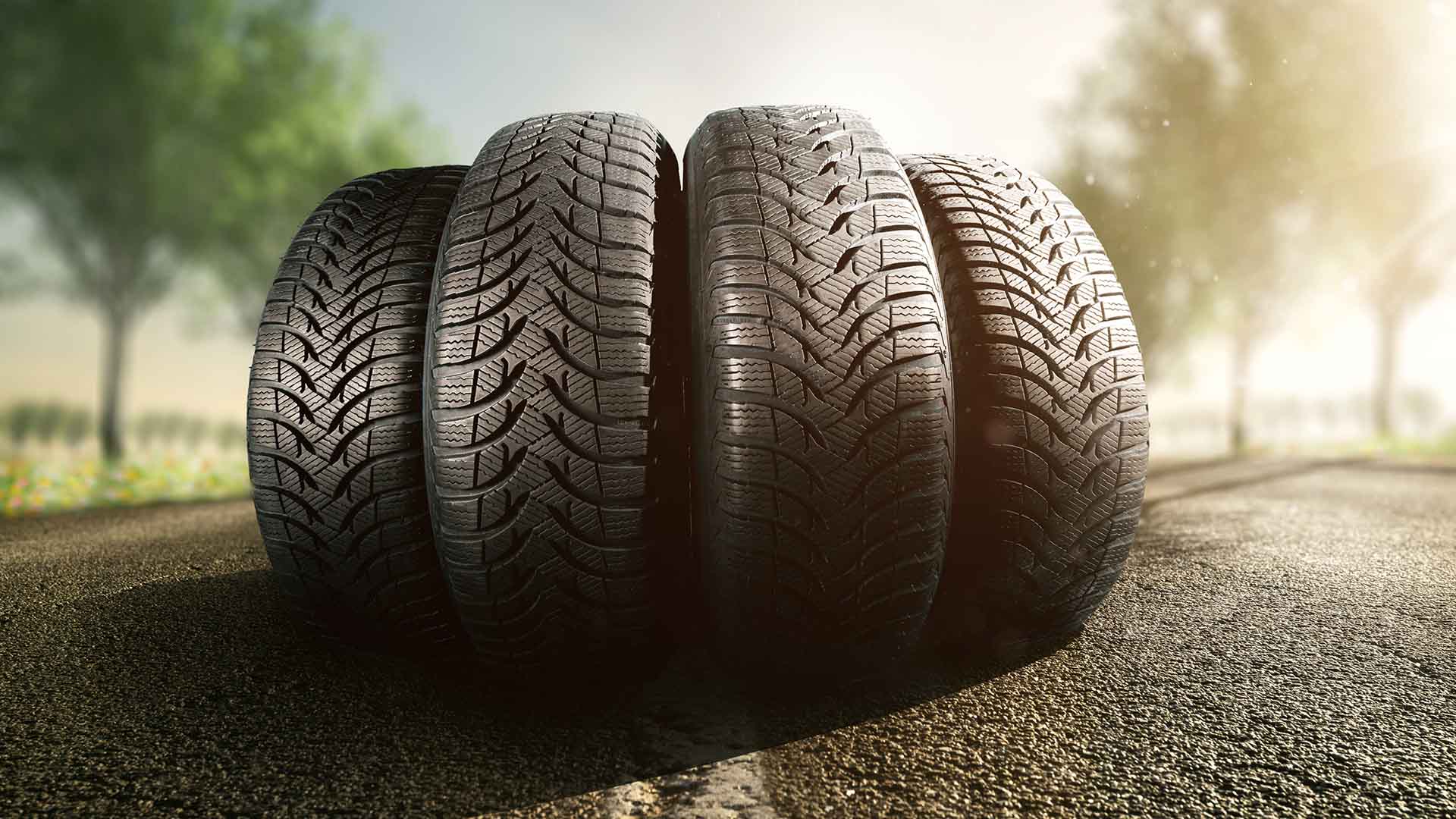
Electric cars are weighed down by heavy battery packs, which puts extra strain on their suspension, tyres and brakes.
According to Emissions Analytics, tyres are a major contributor to one of the biggest sources of vehicle pollutant emissions: non-exhaust sources. Dust and particulates that are emitted from tyres contribute to particulates in the air, as well as microplastics in the ocean.
The researchers said that over the course of 12,500 to 31,000 miles, a typical car tyre will shed 10 to 30 percent of its tread rubber into the environment. These particles will end up by the roadside or washed into drains – and ultimately into rivers and oceans.
“On this basis we think tyres are set to be scrutinised and regulated more, and perhaps also reinvented for electric cars to perform well in durability and noise. There will be opportunities and threats that arise from these changes,” said Emissions Analytics.
So how green are electric cars really?

There’s no such thing as zero emissions motoring. However, electric cars come closest to that goal. As the European Environment Agency (EEA) has pointed out, EVs emit fewer greenhouse gases and air pollution over their entire life cycle than petrol and diesel cars.
Keep an electric car running for 150,000 miles or more, source your electricity from renewable sources and drive with consideration, and you’ll be doing your bit for the planet.
ALSO READ:
What does the miles per kWh figure mean for electric cars?