

Let’s start with the bad news: since April 2025 electric cars haven’t been exempt from VED – that’s Vehicle Excise Duty, better known as road tax. Instead, the UK Government has a policy to ‘equalise the Vehicle Excise Duty treatment of all zero emission and internal combustion engine vehicles’.
Crucially, this change in road tax doesn’t only apply to new electric cars and alternative fuel vehicles. Those that are already owned or bought used are subject to the rates, too.
So, the days of free road tax for electric cars are over. However, the good news is that VED rates are still based on carbon dioxide (CO2) emissions. And given that EVs are considered to be zero-emissions for tax purposes, that means owners will still pay the lowest rates.
EVs still cheaper for some
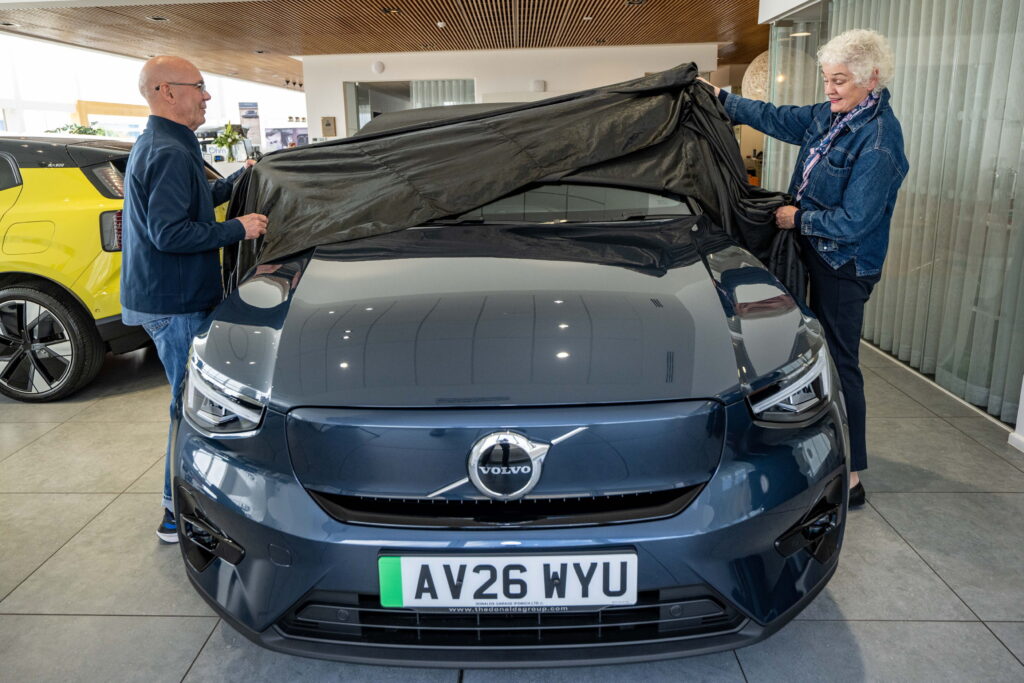
For new EV owners, that means a first-year payment of just £10, followed by the standard rate of £200 per year thereafter.
However, if your EV was first registered after 1 April 2025 and costs more than £50,000 (including any options fitted), there is an additional ‘Expensive Car Supplement’ of £440, which applies every year for five years from second time the vehicle is taxed. Just to complicate things further if your EV was first registered before 1 April 2025, the threshold for the Expensive Car Supplement is £10,000 lower, at £40,000.
Otherwise, owners of electric cars registered between 1 April 2017 and 1 April 2025 will pay a fixed annual rate of £200 – the same as for petrol and diesel cars. And EVs registered after 1 March 2001 and before 1 April 2017 will subject to the lowest £20 rate of VED, which applies to vehicles with CO2 emissions of 0g/km to 110g/km.
You are unlikely to be driving an electric car registered before 1 March 2001, but the payment would be £230 a year if you did.
Summary of electric car VED charges
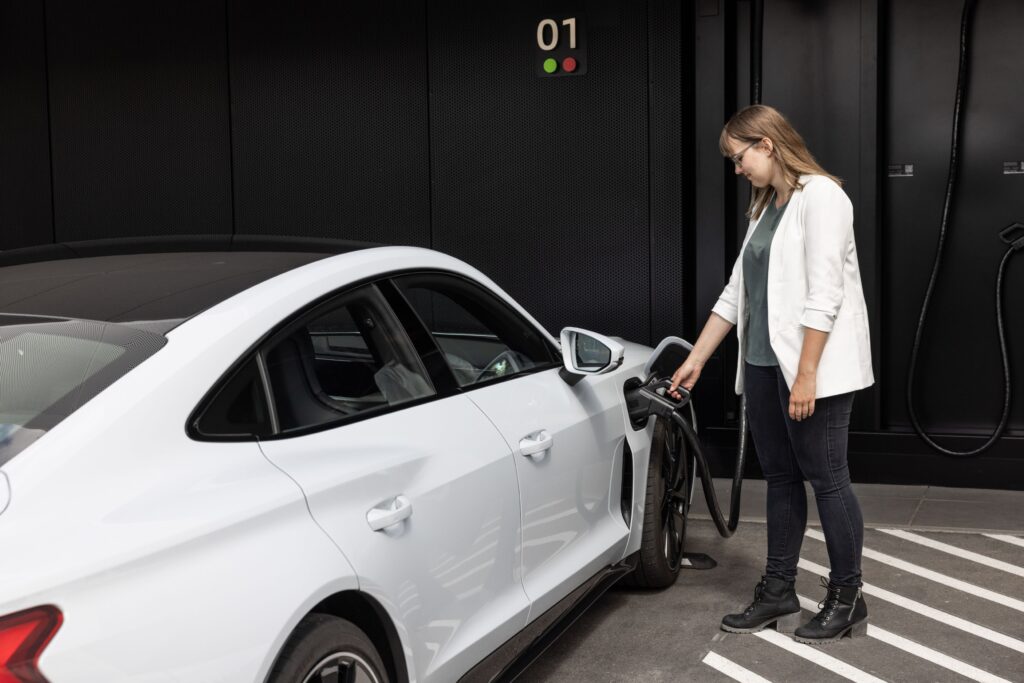
Here are the main things you need to know about taxing an electric car:
- New electric cars registered on or after 1 April 2025 pay the lowest rate of VED, currently £10 a year.
- From the second year, new electric cars move to the standard rate, now £200 a year.
- If the new electric car has a price exceeding £50,000, it will be subject to the Expensive Car Supplement for five years from the second time the vehicle is taxed. The rate is currently £440 a year (on top of the existing VED charge).
- Electric cars registered between 1 April 2017 and 31 March 2025 will pay the standard rate of £200.
- Electric cars registered between 1 March 2001 and 30 March 2017 will pay the lowest rate, currently £20 a year.
- An electric car registered before 1 March 2001 will pay the standard rate for cars with an engine size not over 1549cc, currently £230 a year.
Is the road tax exemption likely to return?

Given the rise in the number of electric cars on the road, we are unlikely to see a return of the road tax exemption. If anything, the price of VED for EVs is likely to increase.
RAC head of policy Nicholas Lyes said: “After many years of paying no car tax at all, it’s probably fair the government gets owners of electric vehicles to start contributing to the upkeep of major roads from 2025.
“Vehicle excise duty rates are unlikely to be a defining reason for vehicle choice, so we don’t expect this tax change to have much of an effect on dampening demand for electric vehicles given the many other cost benefits of running one.
“The fact that company car tax increases on EVs will be kept low should also keep giving fleets the confidence to go electric, which is vital for increasing the overall number of EVs on our roads.”
Click here for the current vehicle tax rates on the GOV.UK website.
ALSO READ:
Can an EV be your everyday car?

[…] inclusion of electric cars in the VED rules marks a major change in policy, following years of zero-emission models being exempt from road […]
[…] of this year, EVs became eligible for road tax. Buyers of electric cars costing more than £40,000 also have to pay the Expensive Car Supplement […]
[…] a Statutory Off Road Notification (SORN). It is free of charge and you will save money on annual car tax […]