

According to the latest figures from the Society of Motor Manufacturers and Traders (SMMT), electric cars currently account for 27.5 percent of vehicle registrations in the UK. And with the prospect of a ban on the sale of new petrol, diesel and hybrid cars from 2035, EVs will become the default choice for car buyers during the next decade.
This is good news for local air quality and the wider environment. What isn’t so great, however, is the potential for tens of thousands of unwanted electric car batteries that have reached the end of their serviceable lives. An EV battery is expected to last around 10 years before it needs to be replaced.
Fortunately, to answer our headline question, electric car batteries CAN be recycled. Indeed, car companies are investing millions in the reuse and recycling of these large and expensive components.
‘A battery waste mountain’
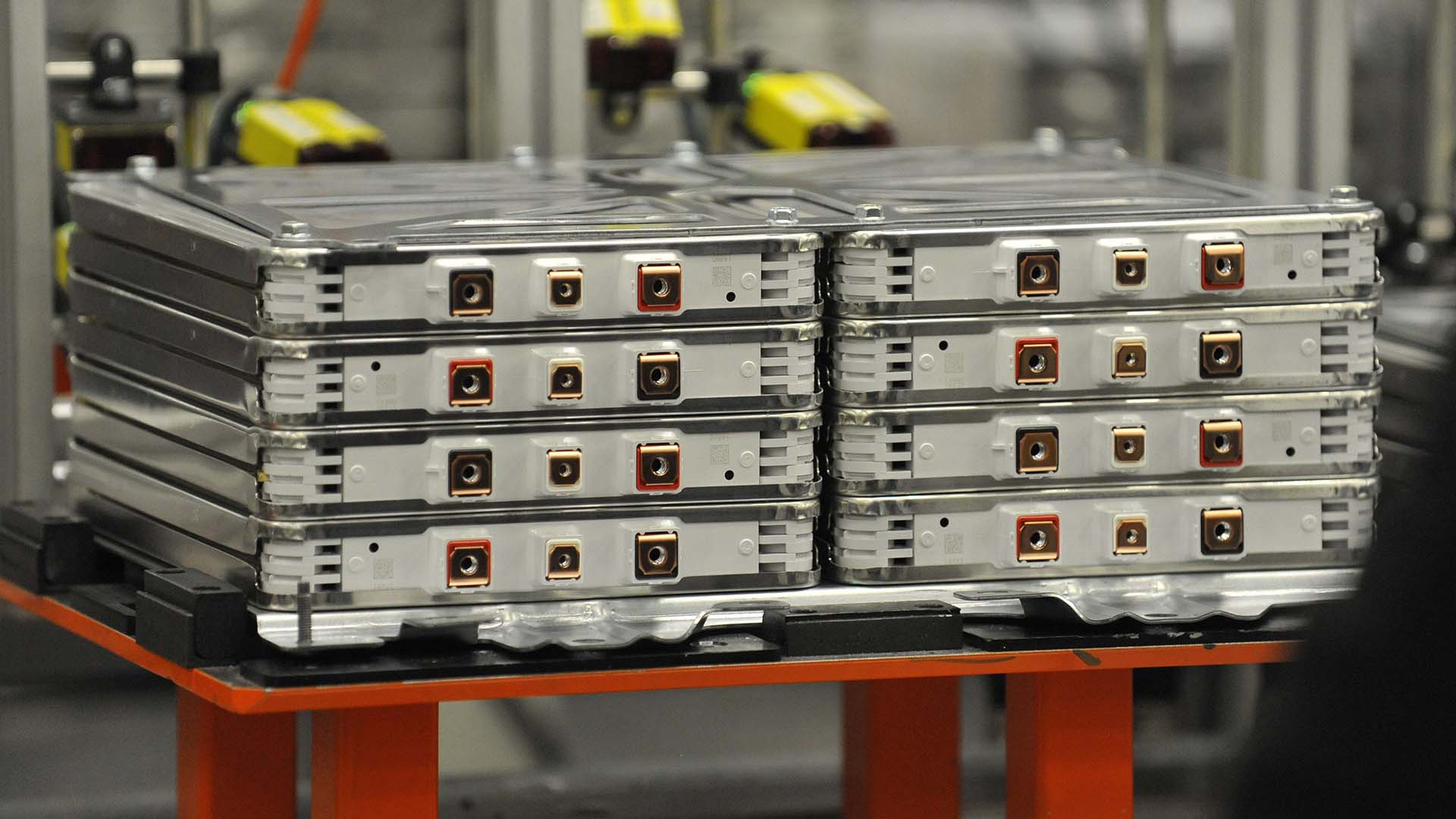
A study by the University of Birmingham said ‘recycling technologies for end-of-life lithium-ion batteries are not keeping pace with the rapid rise of electric vehicles’, with researchers warning that ‘the UK needs to act to prevent an electric vehicle battery waste mountain’.
Researchers calculated that the one million electric cars will create 250,000 tonnes, or half a million cubic metres, of unprocessed pack waste when they reach the end of their lives.
The good news is the intrinsic value of EV batteries – which contain metals such as nickel, cobalt and manganese – means they are cost-effective to recycle, rather than simply send to landfill.
Recycling efforts are ramping up

A study published on the Science Direct website suggests that more than half the lithium and nickel in lithium-ion batteries will be recycled by 2040.
One British firm already invested in the process is Devon-based Altilium. Company president Christian Marston told the BBC: “If we do battery recycling at scale, we have confidence that we can produce a material which is around 20 percent lower cost than commercial material. That would look like 150,000 EV batteries per year.”
Another existing facility is the Fortum recycling plant in Finland, which aims to recover more than 80 percent of the materials from lithium-ion batteries.
“By recycling valuable materials in lithium-ion batteries, we reduce the environmental impact of electric car batteries by complementing the supply of cobalt, nickel and other critical metals from primary sources,” said Tero Hollander of Fortnum Recycling and Waste.
A second life for EV batteries
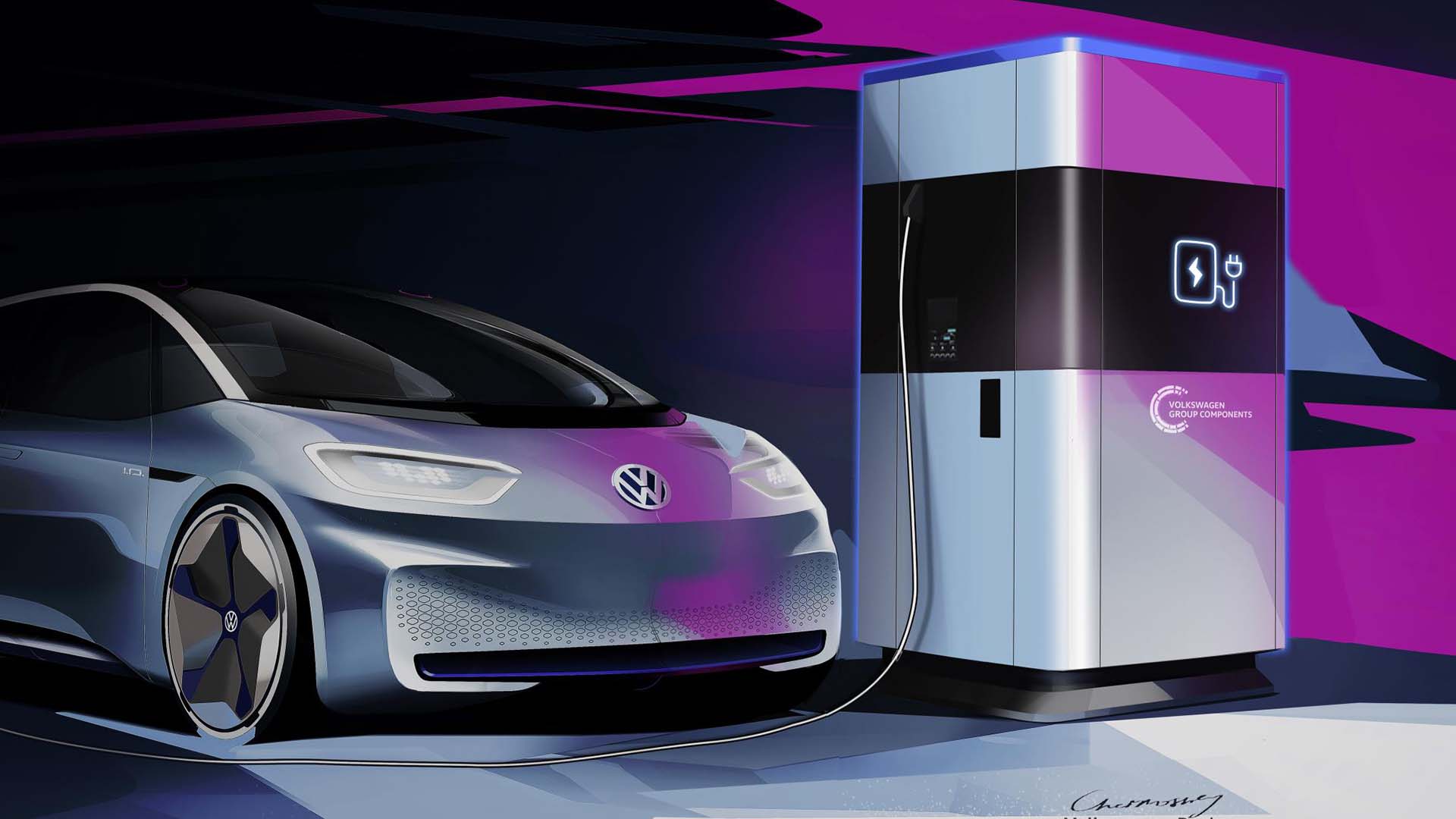
There are many examples of electric car batteries being given a second life when they are no longer suitable for their original purpose. Second-life batteries are removed from the car, unpacked, graded and repurposed.
For instance, the battery pack in a Fiat 500e can store more energy as a typical household consumes in one day. And 280 used Nissan Leaf batteries were used to provide back-up power to the Amsterdam Arena – home of Ajax football club.
Car manufacturers are getting involved on a larger scale, too. For example, Volkswagen has used the battery packs from its electric vehicles in a network of portable charging stations – each capable of charging up to four vehicles at a time.
EV batteries after their second life
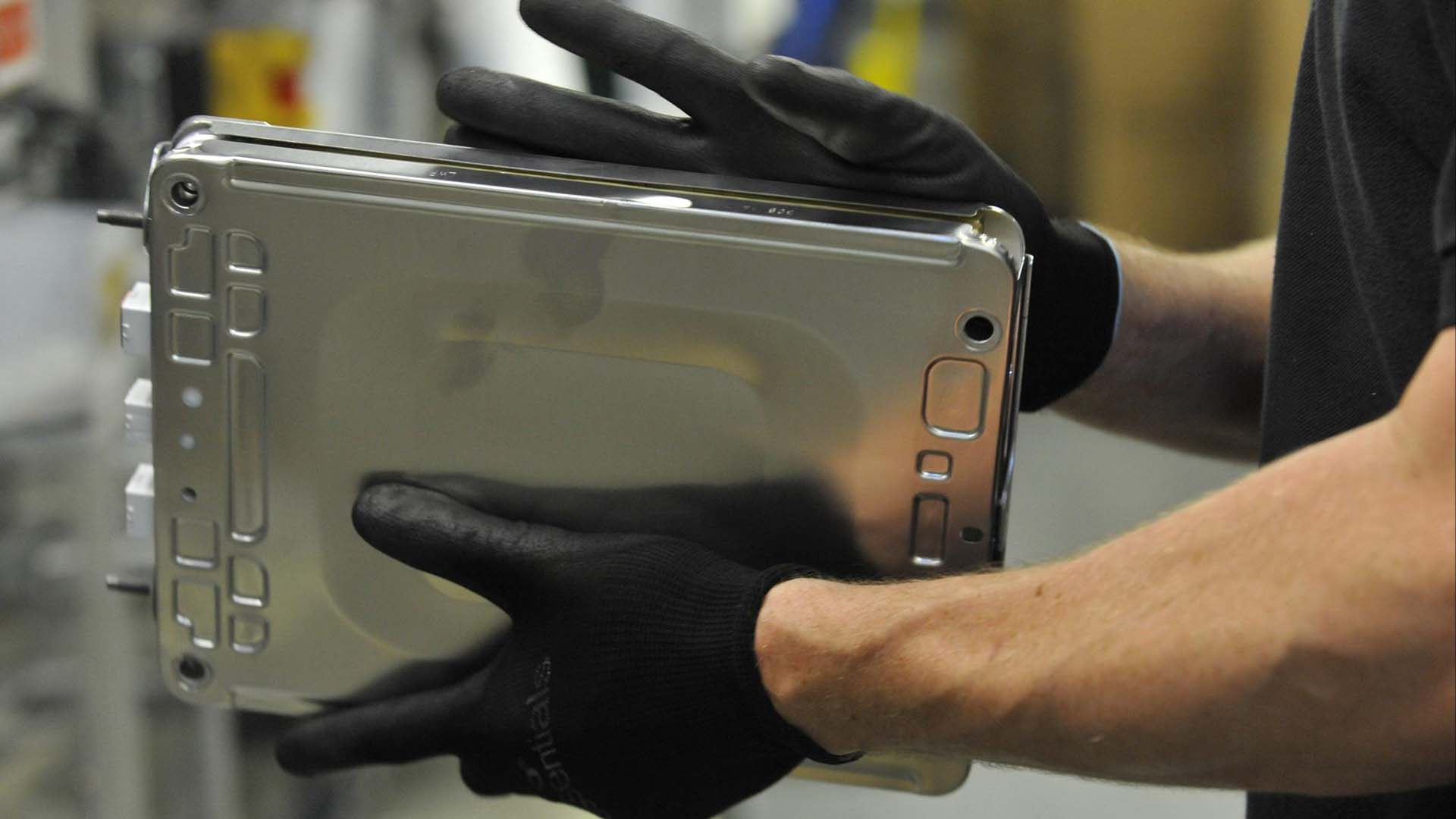
However, the second life for an electric car battery is simply delaying the inevitable: at some point it will need to be recycled. Volkswagen eventually aims to recycle 97 percent of the raw materials in its battery packs.
This is important, as battery production puts a strain on the world’s natural resources. For example, cobalt is a critical material, but there are human rights concerns in the Democratic Republic of Congo, where much of the cobalt for EV batteries is mined.
Equally, in Salar de Atacama, Chile – a major centre of lithium production – 65 percent of the region’s water is consumed by mining activities, which affects the local farmers.
Closing the loop of battery production

The challenge, and indeed the endgame, is to close the loop of electric car battery production. Rather than recycling the materials for other uses, in other words, the best scenario would be for them to be retained for a new battery.
Tesla board member JB Straubel said the company is “developing more processes on how to improve battery recycling to get more of the active materials back”. The American company has a battery recycling facility in Nevada where lithium, cobalt, copper and steel are recovered , then reused in the production of new electric car batteries.
The EU has set targets for material recovery and recycled content in batteries, both in cars and other consumer goods, which are being phased in gradually since 2025.
It’s also worth noting that, under the Waste Batteries and Accumulators Regulations 2009, an electric car company is obliged to take back a battery for recycling. If your EV is reaching the end of its life, you can contact the manufacturer for more details.
ALSO READ:
Can you jump-start an electric car?
How much does charging an electric car cost?
What is preconditioning and how can it boost an electric car’s range?

[…] include the eco-friendliness of both vehicle and battery production, along with the firm signing up to Science-Based […]