

Rarely a week goes by without a new electric car being revealed. The choice of vehicles is expanding all the time, with most manufacturers now selling at least one EV. Some, such as Tesla and Polestar, are already fully electric, while others, including Jaguar and Lotus, are heading that way soon.
Prices for relatively basic new EVs such as the Dacia Spring start from around £15,000. Alternatively, buy used and you can begin Motoring Electric from £5,000 or so. Either way, choosing the right vehicle for you is important.
In this short guide, we’ll run through the main points to consider before you buy an electric car. Answer these questions and your path should become clearer.
Should I buy a new or used EV?
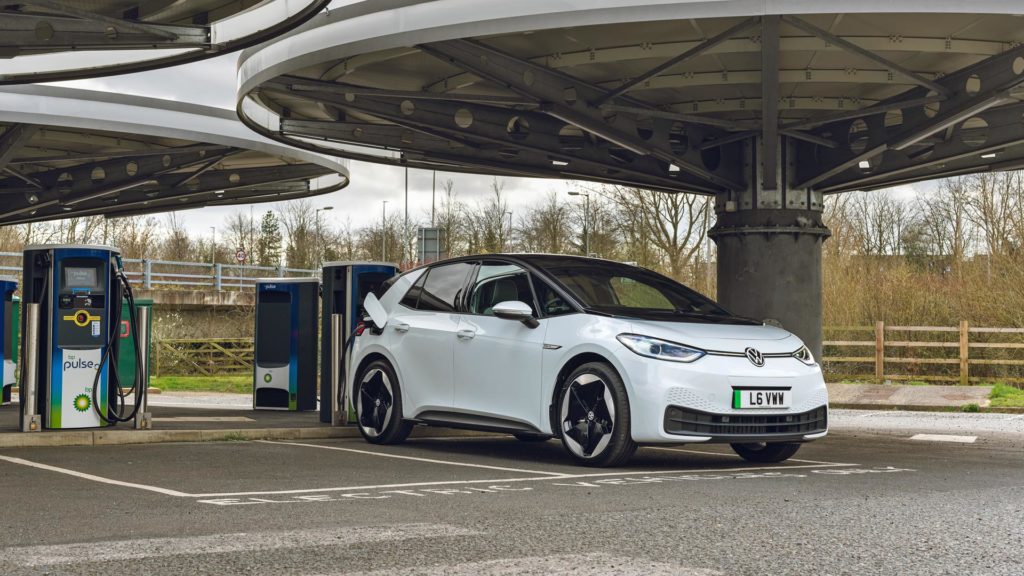
There have been viable electric cars on sale for many years. However, it’s only recently that decent used options have become available.
We discuss the issues around buying a used EV in the separate guide here. The overriding factor that might steer you towards a new car, though, is the ramp-up in technology.
With each passing year, car manufacturers simply build better EVs. Much of the technology is still young, so development is happening at a rapid pace. Even existing models often receive mid-life tech upgrades – sometimes in the form of over-the-air updates – to boost their performance, efficiency or infotainment systems.
New cars also come with tempting monthly finance offers that you’d be hard-pressed to match with a used model.
Lastly, bear in mind that electric car batteries degrade over time. The rate of decline is modest, but it’s something to bear in mind – perhaps a 10 percent reduction in range for an older EV, which might already offer a relatively limited range.
Where do you usually drive?

“How far will it go on a full charge?” It’s always the first question electric car owners are asked, frequently followed by a dismissive response that it would be impossible to live with such a limited range.
Electric cars do require their owners to adopt a new mindset. One the best performers in terms of range, the Mercedes-Benz EQS, can manage an impressive 453 miles before you need to plug it in. However, even that pales in comparison to a diesel-powered executive car, which might achieve 700 miles on a full tank of fuel.
This is partly why Tesla vehicles remain popular for those who need to drive long distances. Their range is generally impressive, and the company’s Supercharger network is fast and widespread.
Many older electric cars offer a range of between 100 and 200 miles, but owners learn to live with that. They reason that the vast majority of trips are short, so recharging overnight at home becomes part of their routine.
The Honda e, for example, offers a range of just 130 miles. Honda said, perhaps rightly, that urban cars like e simply won’t be used for long-distance travel.
You have to make that call. Many electric car owners will also own another car with a petrol or diesel engine, which is capable of making a longer journey when needed.
What size of car do I need?
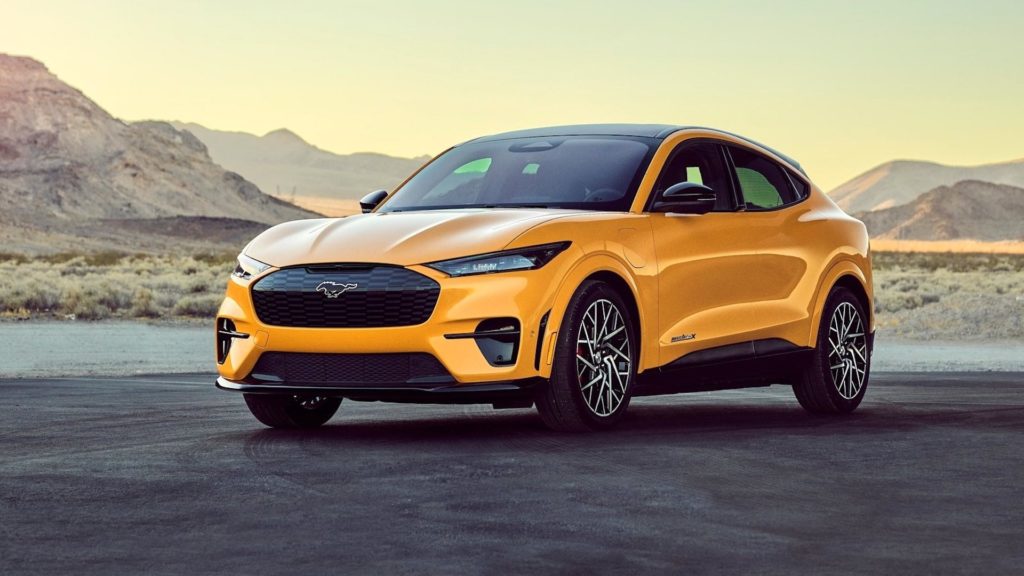
There used to be a trade-off here. To get the best range, you’d need a car with a big battery, and that generally meant a large car – often an SUV – to accommodate it.
That is no longer so true. Smaller electric cars such as the Cupra Born use clever engineering and a lighter package that places fewer demands on the battery. The Born can cover around 280 miles on a charge, blurring the boundary between urban and long-distance use. The Kia EV3 crossover offers up to 375 miles.
If you want the smallest EV possible, the Citroen Ami is a quirky two-seater designed solely for city driving. Its range is just 46 miles, with a top speed of 28mph, but a starting price of just £7,695 means you might be prepared to accept such compromises. Family-sized electric cars such as the MG4 EV cost from around £27,000.
The decision is yours
Deciding on the best electric car for you depends on many factors. And only you can make that final decision.
Price is obviously a major issue, although if you are considering an EV you have already accepted you will usually pay a premium (for now, at least).
Size and range are two other key factors. There is no point paying thousands more for the best possible range if you don’t take advantage of it. If you do need to make longer trips, however, plenty of sub-£40,000 electric cars could fit the bill.
ALSO READ:
Which electric car charging networks operate in the UK?

[…] testing more than 8,000 electric cars in long-term use, a large leasing company has released evidence that EV batteries are lasting […]
[…] To provide peace of mind, customers will have up to 100 days to decide whether an electric car suits their lifestyle. […]