

AC and DC current are to EVs what petrol and diesel are to traditional combustion-powered cars. You can think of them as ‘fuels’ to fill up your electric car’s battery.
Unlike when choosing the correct nozzle at the petrol station, however, you never need to worry about which fuel you put in your electric car. This is all handled by the charging unit and the vehicle itself.
So, what is the difference between AC and DC electricity – and how does this affect charging times for your electric car?
Table of contents
What is AC electricity?
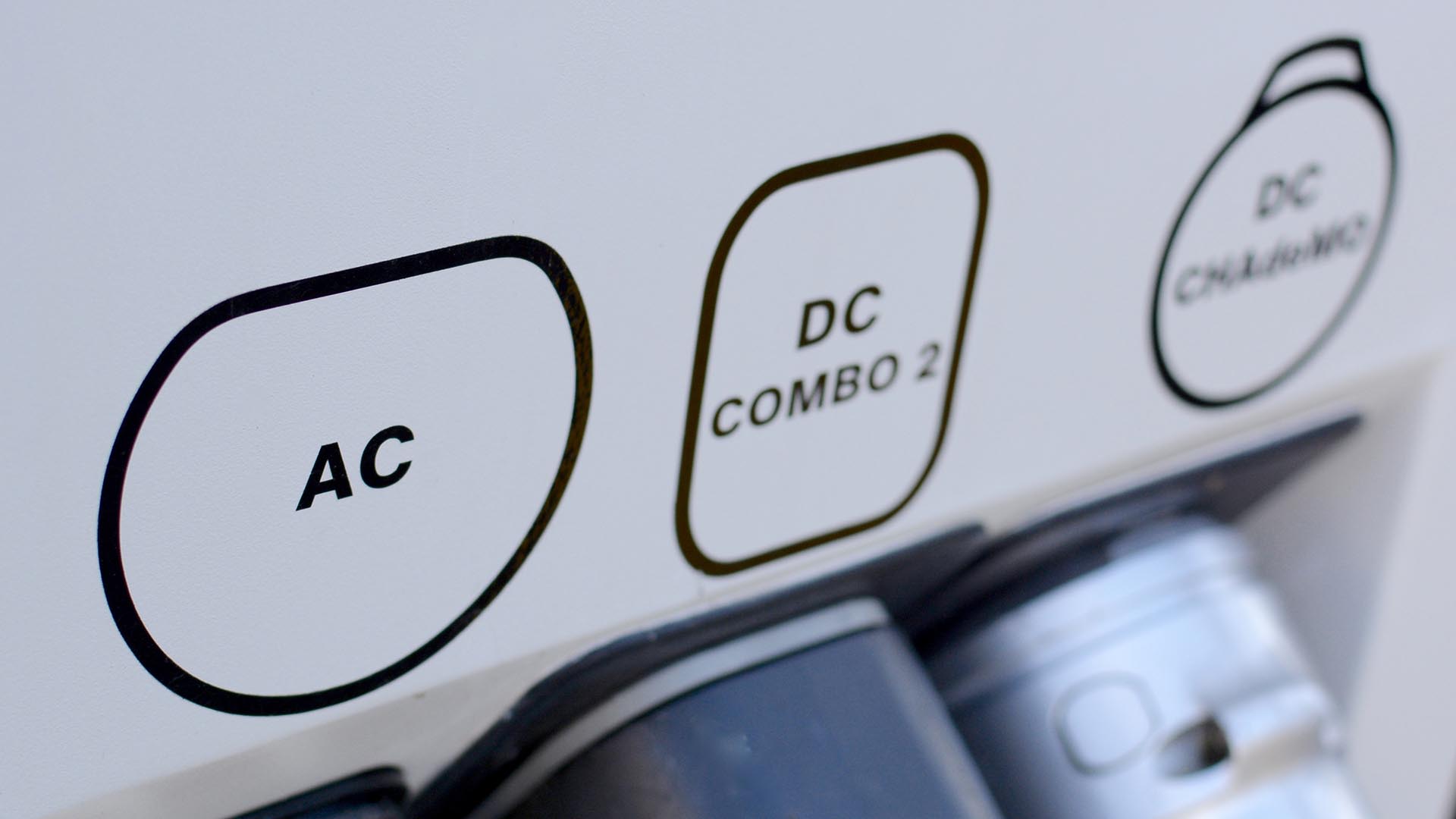
AC stands for ‘alternating current’. Mains electricity from the grid is an AC supply, with around 230 volts entering our homes via each three-pin socket.
According to energy supplier EDF, AC is ‘better for transporting current over long distances, which is why we use it for mains electricity’.
What is DC electricity?
DC stands for ‘direct current’. Domestic appliances such as your kettle or washing machine require a DC supply, which is why they have converters built into the plug.
Electric cars also need a DC supply, so they use an ‘onboard charger’ to convert power from AC to DC. This is then fed into the car’s battery for storage.
Why do rapid chargers use DC current

You don’t need to worry about the difference between AC and DC electricity when plugging in, but it’s worth knowing the impact they have on charging speeds.
The vast majority of home EV chargers in the UK use AC power, with the conversion to DC handled by the car. This slows down the process, which means it takes longer for batteries to be recharged.
With the exception of Type 2 43kW devices, public rapid chargers – the kind you find at motorway services and many petrol stations – supply DC directly to the car, speeding up the process. It’s why these chargers can potentially provide an 80 percent top-up in less than an hour.
Home charging is slower process

Unfortunately, rapid chargers aren’t suitable for domestic installation, and using them is relatively expensive. They are ideal for stop-offs on longer journeys, saving you time by charging the car as quickly as possible.
Do you still have questions about AC and DC current? Let us know in the comments and we’ll endeavour to answer them.
ALSO READ:
Will fully charging your electric car damage its battery?