

If you know how to drive a car with an automatic gearbox, you can drive an EV. It’s as simple as that. Granted, there are a few differences, but you shouldn’t be worried about getting behind the wheel of an electric car for the first time.
With a few exceptions – hello, Tesla Cybertruck – most EVs look similar to petrol or diesel cars. The green flash on the number plates might be the most obvious giveway. The main controls for driving are much the same, too.
You may have to adjust your driving style a little – and charging will become part of your daily or weekly routine – but you could find you prefer life with an electric car. Few EV owners go back to a conventional, combustion-engined car.
This short guide outlines a few points to bear in mind before you drive an electric car.
Table of contents
Enjoy the silence
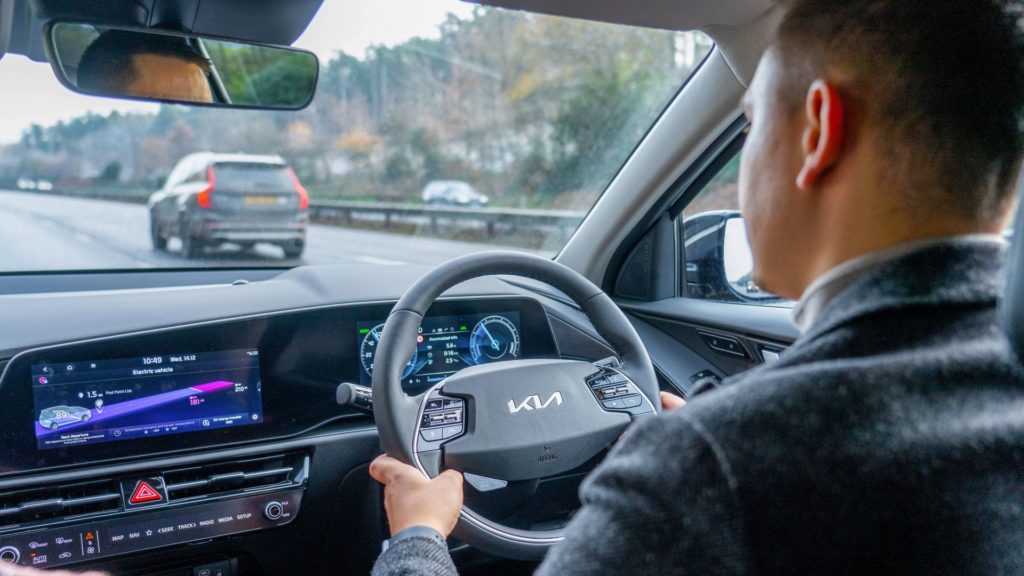
You know when a petrol or diesel car is ready to go because you have turned a key or pressed a start button. There’s also the familiar vibration and sound of an engine to let you know the car is running.
In an electric car, you engage drive mode, but the only real sense that the car is ready comes from a light on the dashboard. EVs are much quieter on the move, too.
At first, this lack of noise can seem disconcerting, but it soon becomes a familiar – and indeed welcome – part of driving an electric car.
Get up and go
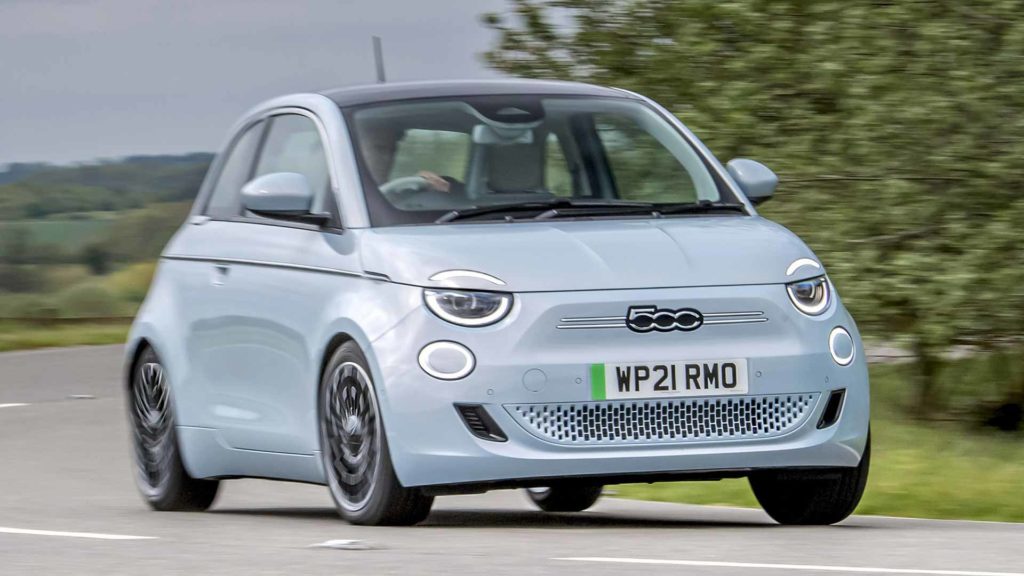
In an electric car, 100 percent of the torque (pulling power) is available from the moment you touch the accelerator pedal. Contrast this with many petrol engines, where maximum torque only arrives at high revs.
The instant shove means some electric cars can race to 30mph quicker than a supercar, although most will lose this advantage again beyond 40mph.
All that torque means electric cars are great fun to drive in the city, too. You might need time to get used to the sharper throttle response, though. And bear in mind that too many Grand Prix starts will leave a dent in your projected driving range.
Putting the brakes on

In a separate article on Motoring Electric, we explored the pros and cons of regenerative braking. For the benefit of this piece, it’s worth remembering that an EV’s brakes will feel different to those of a standard car.
The degree of difference will depend on the car’s regenerative braking system – or your preferred settings. However, brakes are one of the key differences between an electric car and a conventional petrol or diesel one.
Remember, regenerative braking can preserve and increase your car’s electric range. It can also make driving easier by allowing you to brake less often, particularly at lower speeds around town. Use it where possible.
Automatic for the people
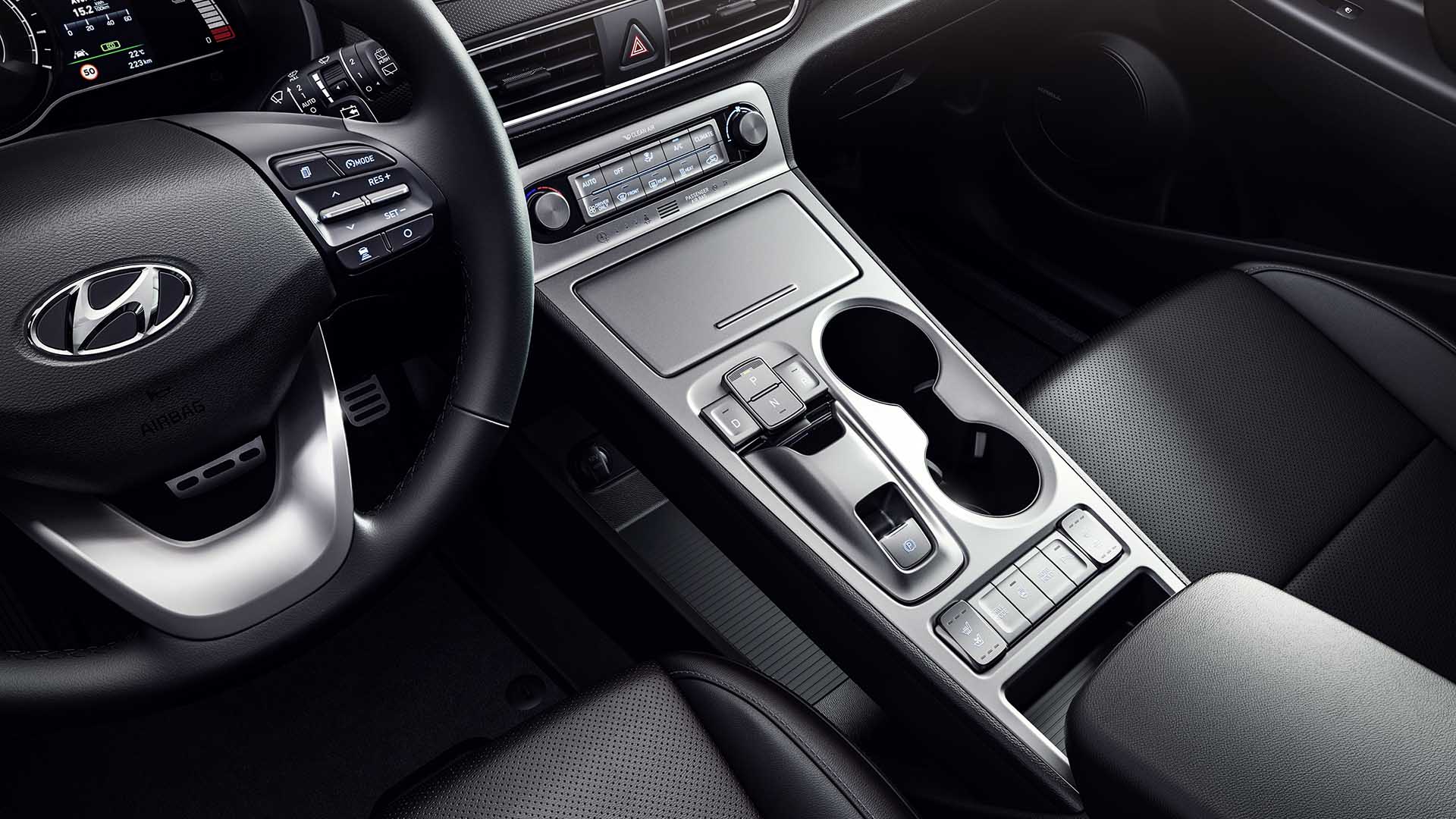
The majority of electric cars have a single-speed transmission. Some premium EVs, such as the Porsche Taycan, have two speeds, but either way it means there are fewer moving parts – and potentially lower servicing costs as a result.
As a driver, you’ll experience smooth and linear acceleration, with no clutch pedal and no need to shift gears. As a result, an electric car feels more refined and easier to drive.
Drive sensibly

You already know that driving fast, being hard on the brakes and flooring the throttle when you accelerate can negatively impact your car’s fuel economy.
The same is true for an electric car – and many EVs are surprisingly fast, despite them also usually being heavier than an equivalent combustion car.
Even so, we suggest a steady approach, reading the road ahead and taking it easy on the accelerator pedal. You don’t need to drive more slowly, but careful and considered progress will be rewarded with a longer range – and less time and money spent on charging.
Keep cool or beat the heat
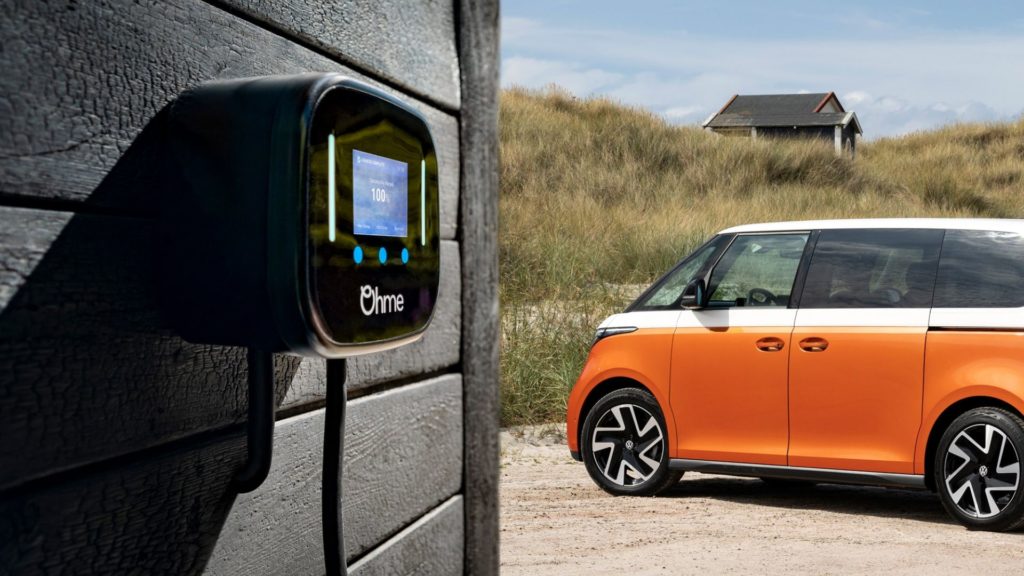
Preconditioning allows you to pre-heat or pre-cool the electric car’s cabin before you set off. Not only will you feel more comfortable, you’ll be maximising the car’s range and preserving the life of its battery.
It works by heating or chilling the cabin and battery to optimum temperature before you go. Because energy is drawn from the mains electricity supply, there’s no impact how far you can travel. Your car will start the journey with a full battery.
You can read more about EV preconditioning in our separate guide here.
Turn into Electric Avenue

Aside from the points mentioned above – and some subtle differences between certain makes and models – driving an EV is no more challenging than getting behind the wheel of a traditional car. In some ways, it’s actually easier.
You will enjoy the near-silent driving experience, the smooth and quiet electric motor and the lower running costs. Just remember to keep charging those batteries when possible.
ALSO READ:
Electric cars: What is the difference between kW and kWh?