

If you haven’t bought one already, you might be considering an electric car. Recent advances in battery technology and far greater choice have made EVs a realistic proposition for many people. Indeed, at the time of writing, 32 percent of new cars sold in Britain are fully electric.
At Motoring Electric, we think the pros mostly outweigh the cons when it comes to buying or leasing an electric car. However, battery-powered vehicles won’t suit everyone, as the following guide explains.
We have compiled a list of the advantages and disadvantages of owning an EV. Hopefully, by reading this short guide, you can make a better informed decision about whether the time is right to go electric. Let’s begin with the positives…
The advantages of an electric car
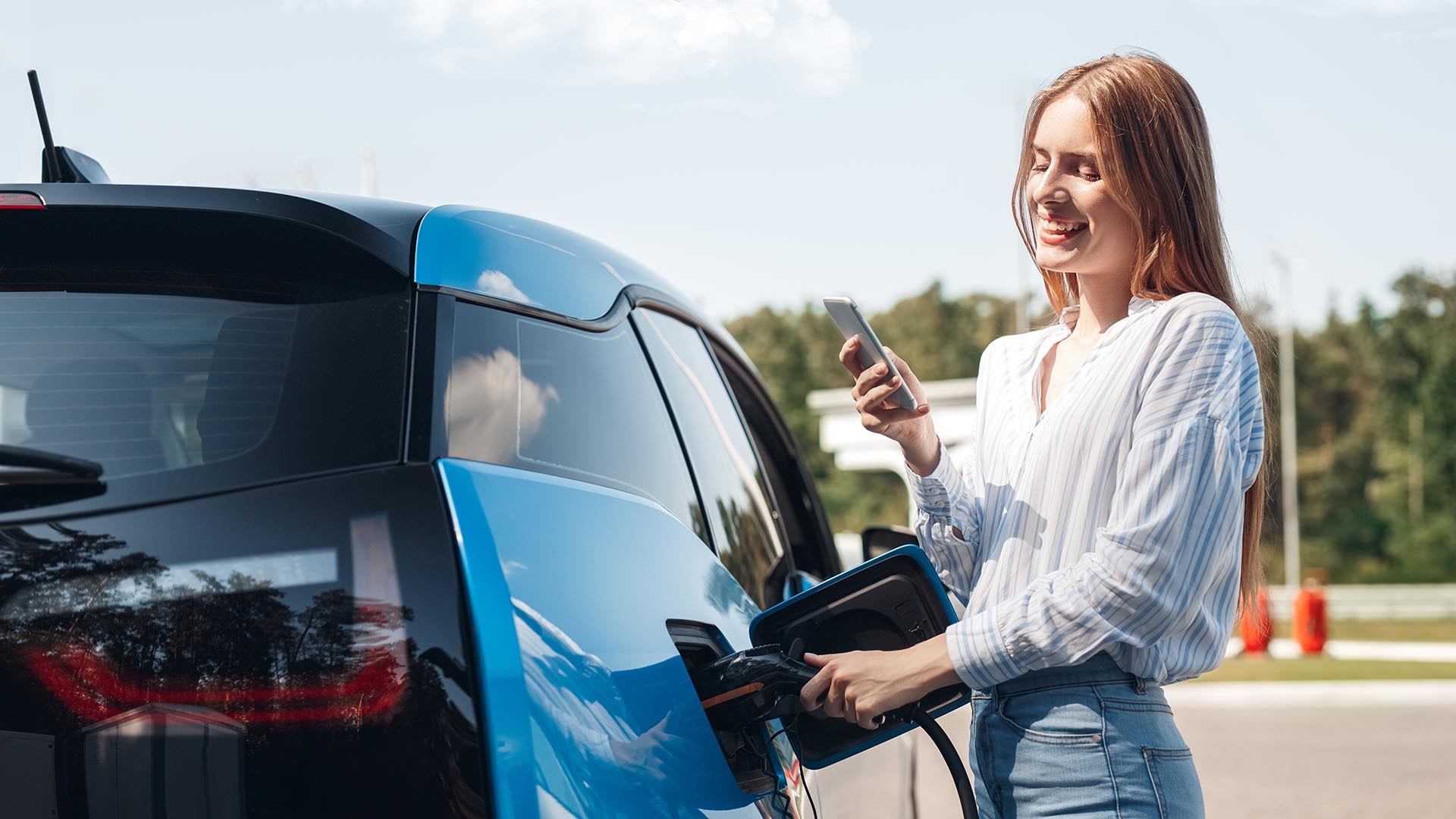
No tailpipe emissions
All electric cars offer zero tailpipe emissions. In fact, they don’t have a tailpipe. This is great for local air quality, particularly in traffic-clogged cities.
While a lot of energy is required to build an electric car, and a considerable amount of electricity is used to recharge its batteries (which can also create emissions, depending on the energy source), research shows EVs are less polluting overall than traditional combustion-powered cars.
Lower running costs
An electric car should be cheaper to run than a petrol or diesel equivalent. However, energy prices are quite volatile, so making direct comparisons isn’t easy. Some energy companies offer cost calculators, but many have removed them from their websites.
Even so, a typical family EV should cost less than half as much per mile to drive as a combustion car – provided you can recharge at home and take advantage of off-peak electricity rates.
If you rely solely on public charging points, the relative costs will be much closer. Indeed, some public rapid chargers are no cheaper than filling up with petrol, particularly if you take the cost-per-mile driven into account.
Cheaper road tax… for now
Drivers of electric cars were exempt from paying Vehicle Excise Duty (VED, more commonly known as road tax) until 2025. Sadly, the rules on taxation for EVs have now changed.
VED rates are based on emissions, however, so while EVs are no longer VED-exempt, they remain among the cheapest vehicles to tax. Owners will typically pay just £10 in the first year, then £200 per year thereafter.
EVs priced above £50,000 (including any options fitted) are also liable for the ‘expensive car supplement’ – currently an annual fee of £640 for five years from the second time the car is taxed. This is still more favourable than for petrol and diesel cars, though, where the expensive car threshold is set at £40,000.
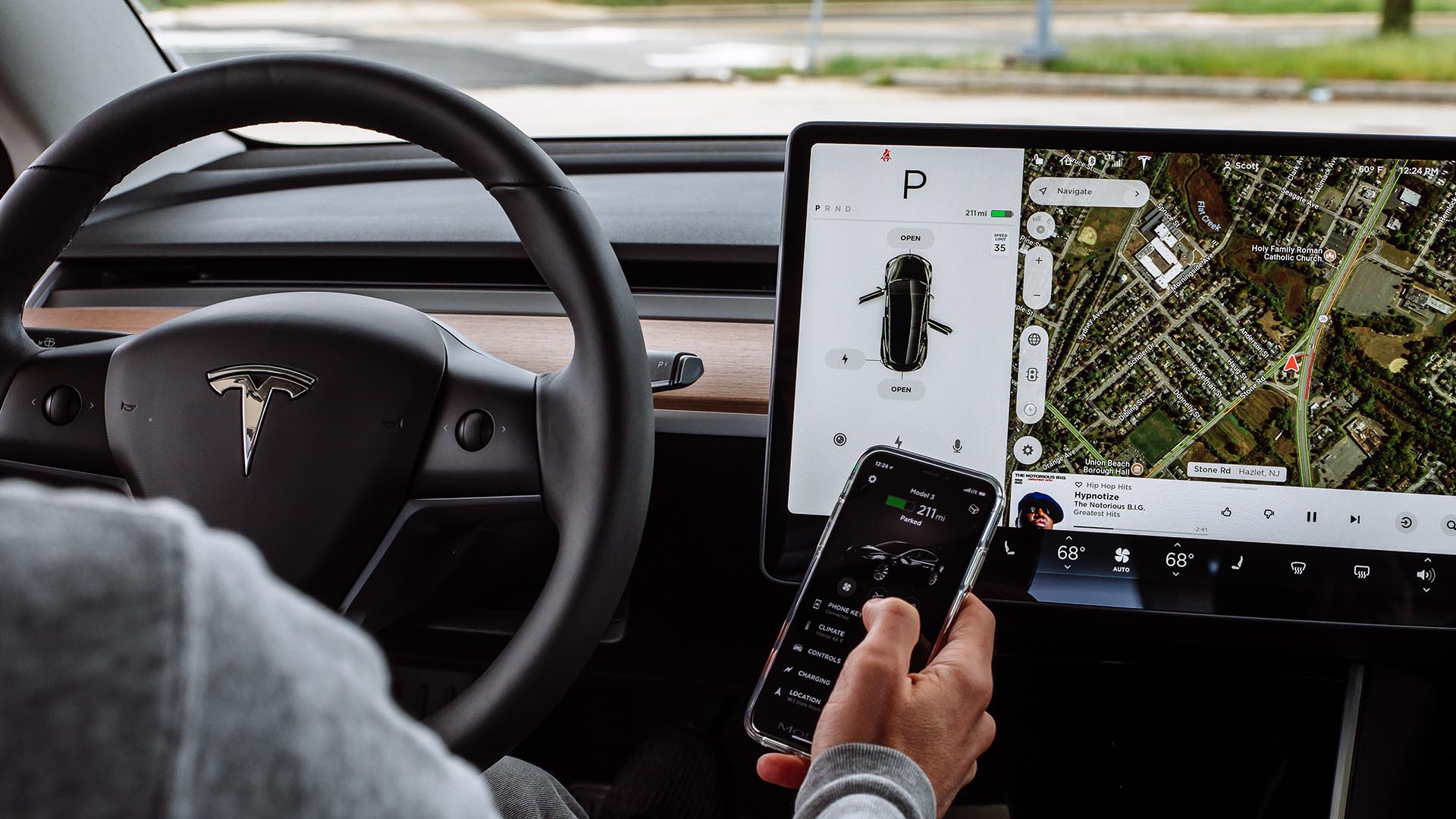
More technology
Manufacturers are investing heavily in electric cars, so you could have access to technology that is missing from other vehicles. For example, it’s often possible to pre-heat the car’s cabin from your smartphone before you set off, which will be handy on a cold morning.
Buy a Tesla and you’ll be able to play video games and make rude parping noises via the touchscreen, too. Whatever floats your boat…
Government incentives
At one time, the UK goverment was offering £3,500 towards the cost of buying an EV through the Plug-in Car Grant. This incentive decreased steadily over the years and has now been withdrawn altogether. However, you can still get help towards the cost of installing a home charger.
Under the EV chargepoint grant, people who live in flats or rented properties can claim back up to 75 percent of the cost of a fitted home charging point – up to a maximum of £500. You also need a private, off-street parking space outside your property. Note: the closing date for this offer is 31 March 2027.
Live in a house or have a mortgage on your property? Unfortunately, you are not eligible. Electric car incentives ain’t what they used to be…
Instant performance
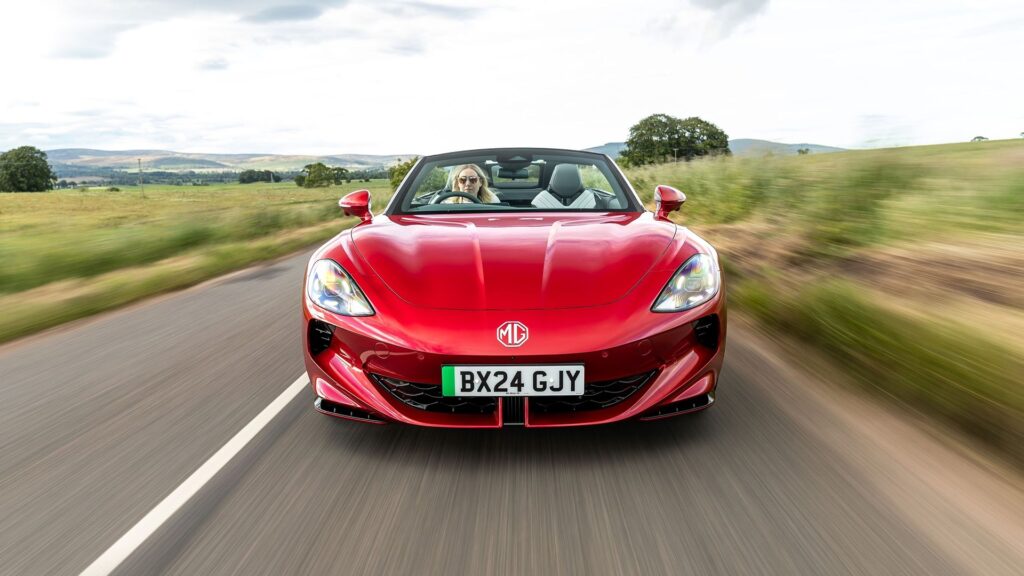
All EVs offer smooth and immediate acceleration thanks to the ever-ready torque of electric motors. As a result, they feel particularly responsive to right foot, often providing a dizzying level of off-the-line pace. Take the Tesla Model S Plaid, which can potentially sprint to 60mph in just 2.4 seconds – quick enough to leave many of the best supercars in its wake.
Even the more affordable electric cars can feel rapid. The Vauxhall Corsa Electric can dash to 60mph in a brisk 7.6 seconds, for example.
Quieter than a conventional car
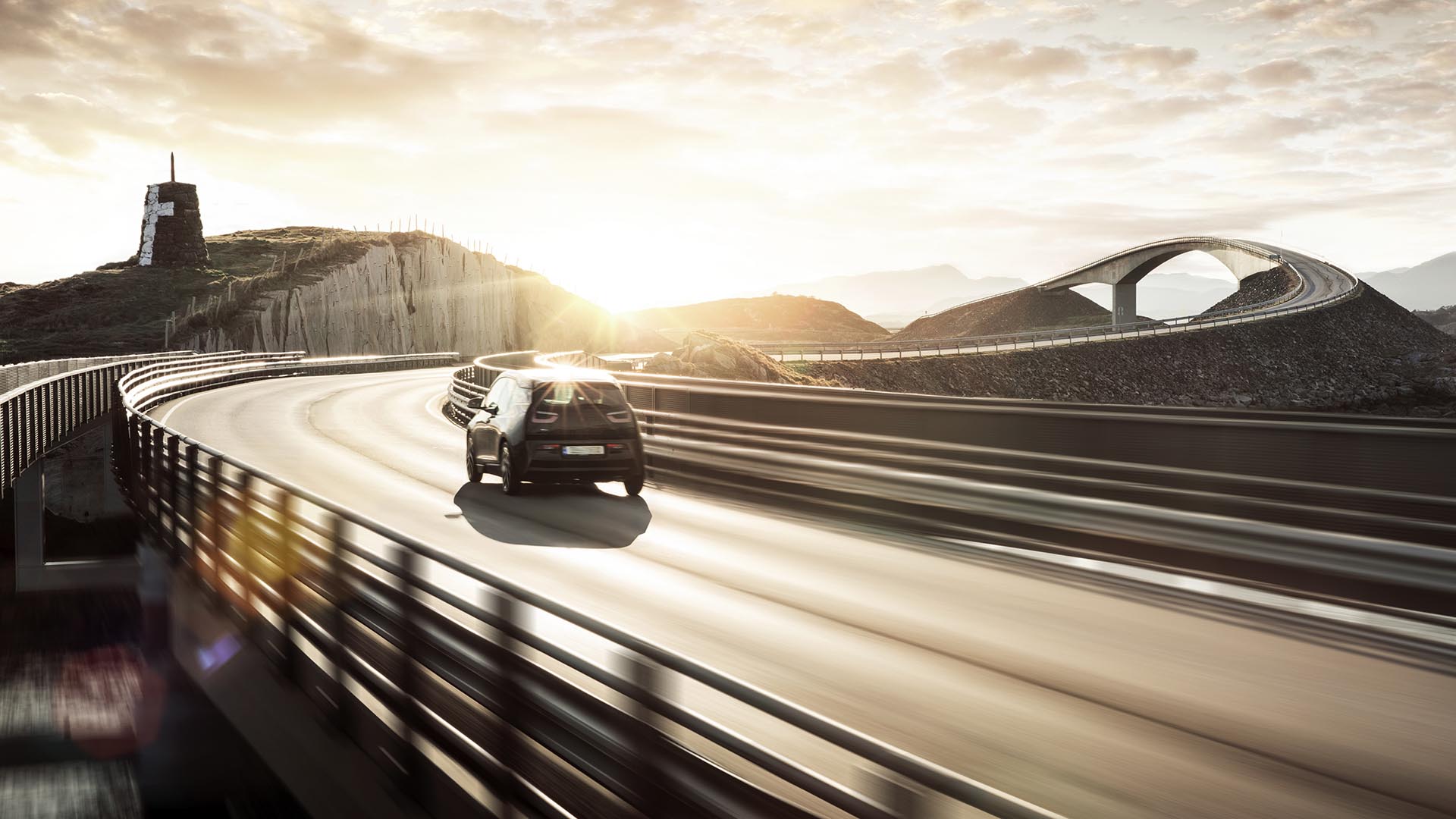
Once you’ve experienced the serenity of an electric car, you’ll find it hard to return to the noise of a petrol or diesel engine. It’s not totally silent inside an EV – you still hear some wind, tyre and road noise, plus the faint whine of the motor – but electric cars are generally easier and more relaxing to drive.
Cheaper to maintain
With fewer moving parts, an electric car should be cheaper to maintain than a petrol or diesel vehicle. You can kiss goodbye to changing the oil, spark plugs, belts, coolant, air filters and transmission oil.
However, you will still need to visit a garage for replacement tyres, brakes, lights, windscreen wipers, tracking adjustment, suspension and cabin filtration.
Access to towns and cities
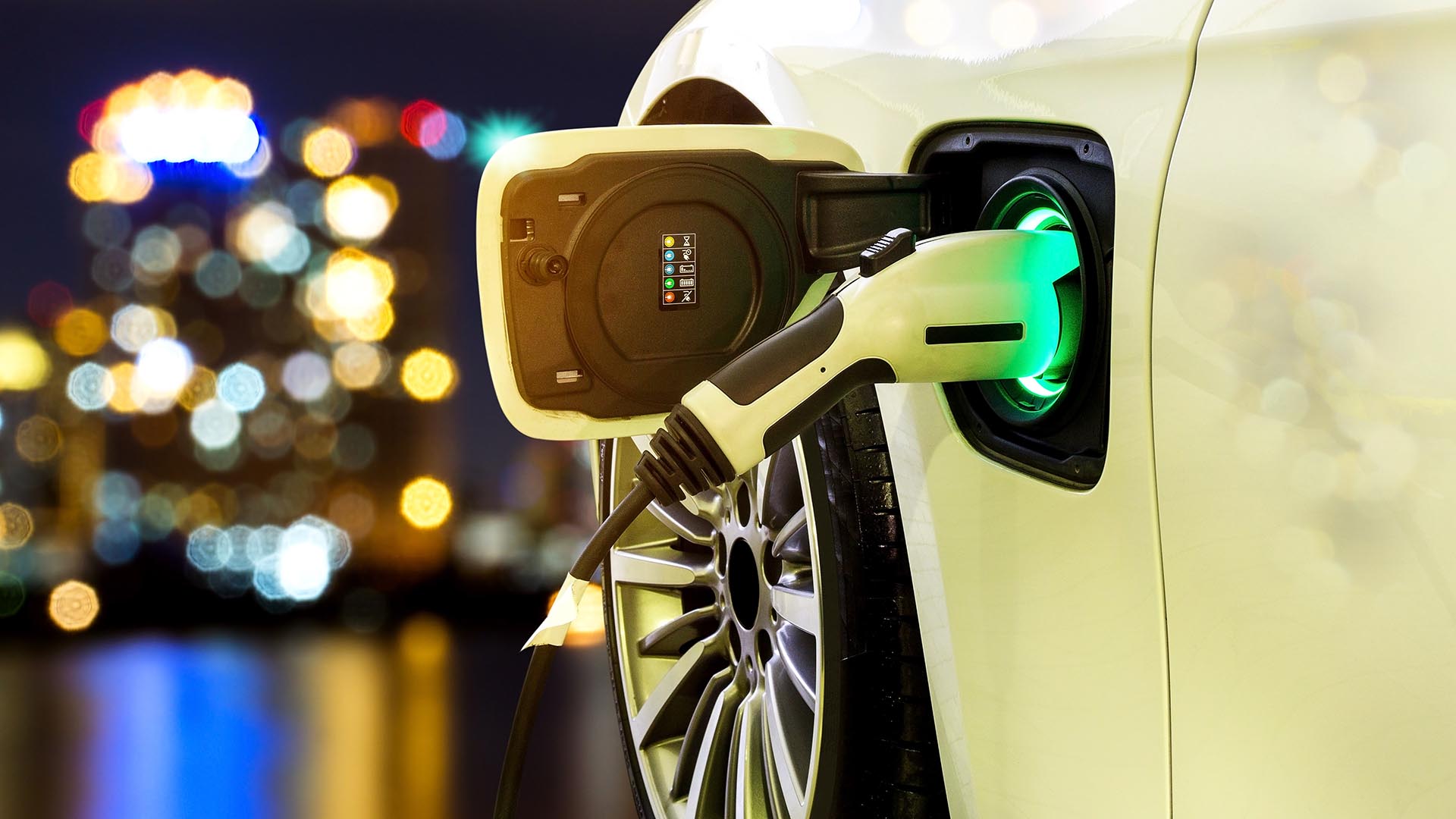
The introduction of Clean Air Zones (CAZ) signals a new era of penalties for driving a polluting vehicle in a town or city. At the very least, electric cars will be exempt from payment, but you could find that EVs are soon the only vehicles welcome in some urban environments. Buying an EV is thus a way to future-proof your motoring.
The feelgood factor
Finally, there’s the feelgood factor of doing your bit for the environment. By driving an electric car, you’ll be helping to improve local air quality, which will do wonders for your image. Just look at all the companies switching to electric vans to boost their environmental credentials.
The disadvantages of an electric car
Charging points
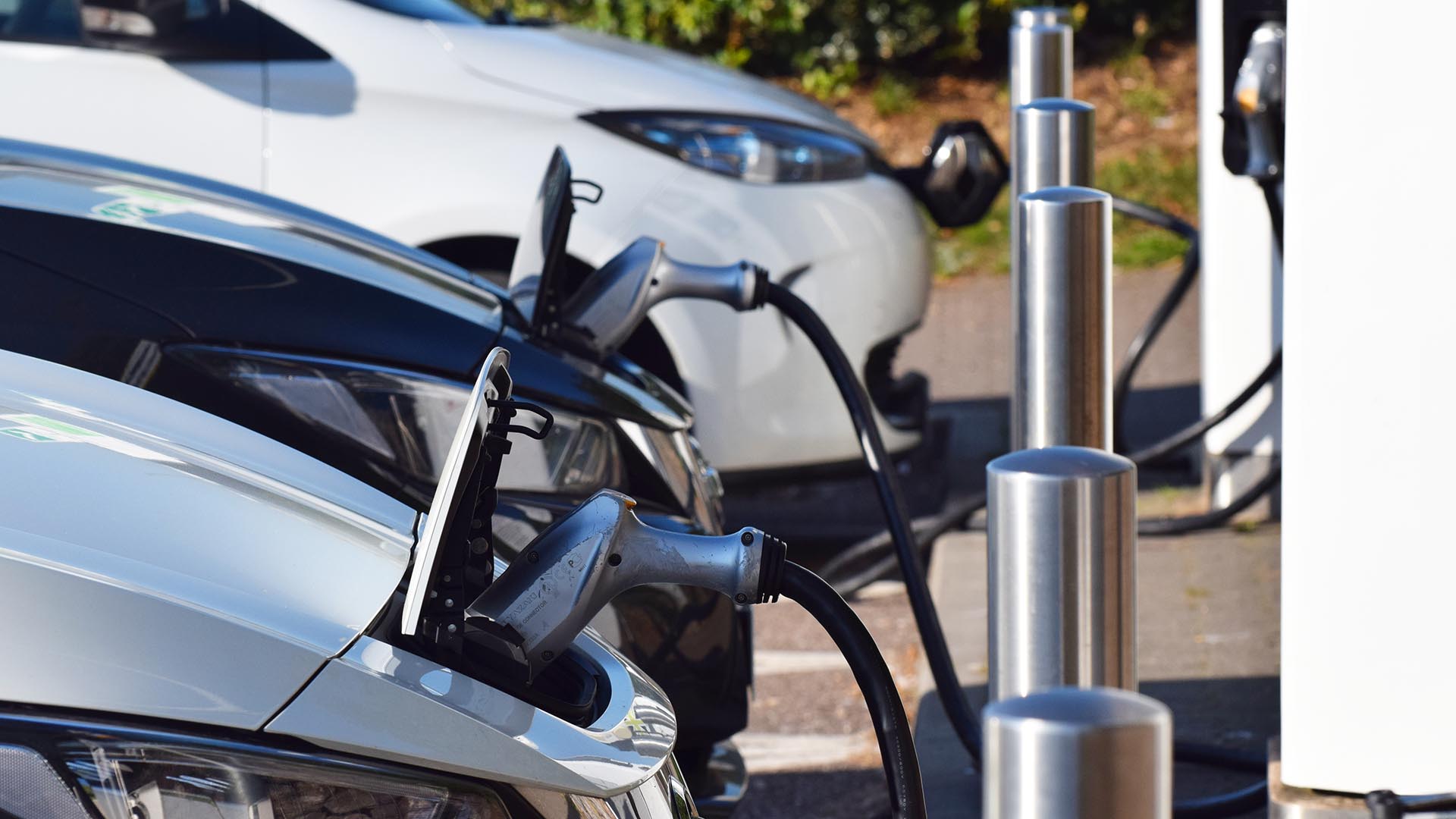
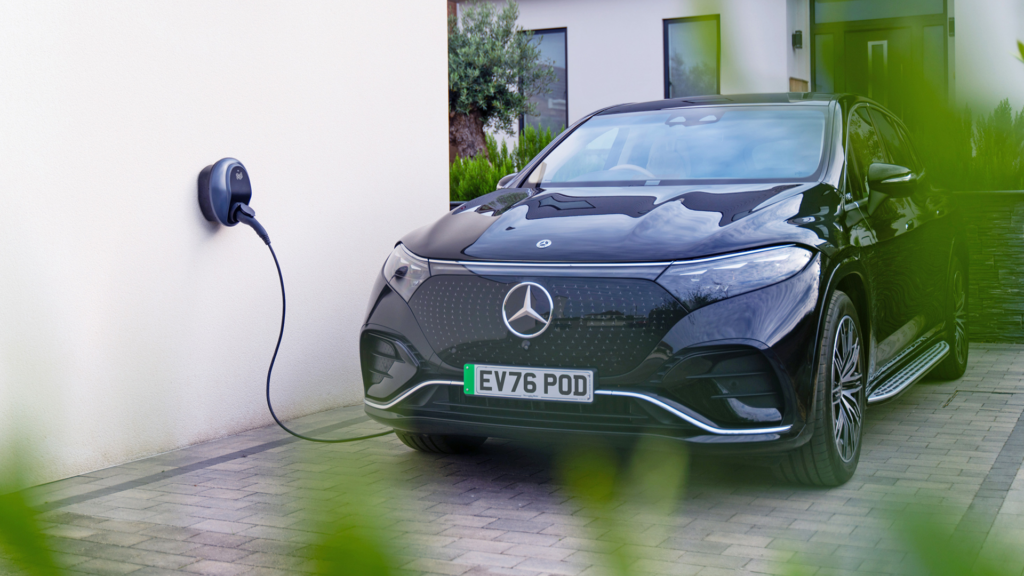
At last count, according to Zap Map, there are 126,140 EV charging connectors in the UK, at some 48,815 different locations.
However, the number of electric cars on the road has increased faster than the number of charging points. And there’s no doubt that some areas of the country aren’t as well served as major cities like London, Birmingham and Manchester. Yes, the network is growing all the time, but so is demand, meaning queues to charge aren’t uncommon at peak times.
If you arrive at a charging point to discover that it’s already in use, it could cause a significant delay to your journey. By contrast, if there is somebody at the petrol pump, you will only have to wait a few minutes.
Lastly, if a charging point is out of service or you can’t connect for some reason (many of us have been there), you could be left stranded.
Charging time
As above, charging an electric car will inevitably take longer than filling a petrol or diesel car with fuel. Although some EVs can be recharged to 80 percent in as little as 20 minutes using a rapid charger, you should allow up to an hour.
If you’re charging at home using a wallbox, an overnight fill-up is the most realistic option. A full charge using a 3kW unit could take between six and 12 hours.
It requires a change in mindset. In the same way we’ve become accustomed to charging a smartphone, you’ll need to do the same with an electric car. If you charge a car overnight, you’ll wake up with a fully charged battery. If possible, you could also leave the car on charge while you’re at work.
EV range anxiety
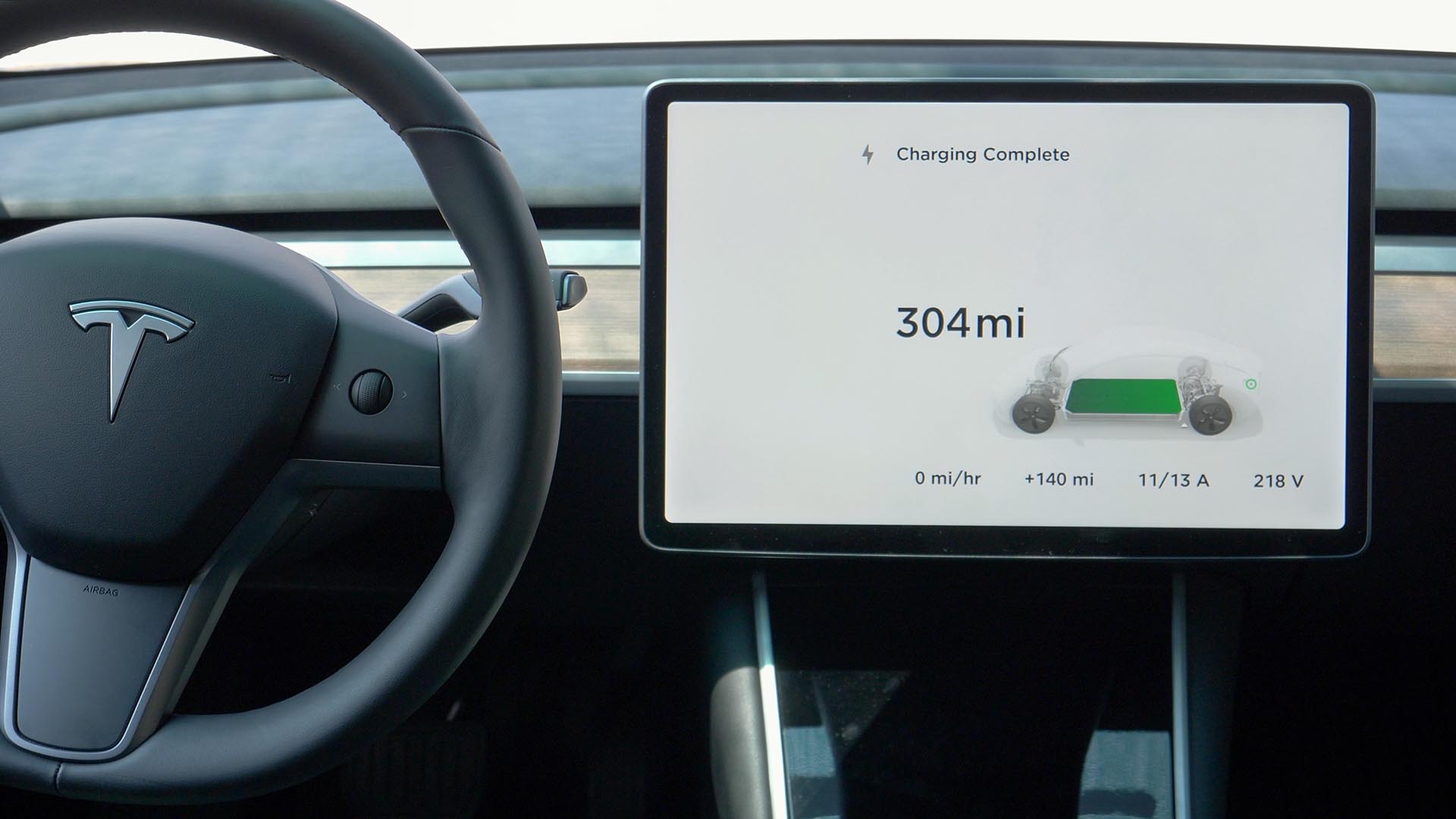
Some people struggle to come to terms with range anxiety. This is the fear of not reaching your destination without charging up. If you get flustered when your smartphone battery drops below 60 percent, you might struggle with an electric car.
As battery technology advances, range concerns are likely to become a thing of the past. Typically, you can expect anything between 200 and 500 miles from a new electric car, but a few are capable of even more.
Not strictly zero-emissions
Even the most ardent supporter of electric cars would have to concede that they’re only zero emissions at the point of use. A great deal of energy is consumed during the manufacturing of the car, and there’s also the issue of the electricity used during the charging process.
However, if the electricity is sourced using renewable sources (such as wind, hydro and solar), the environmental argument against electric cars becomes weaker. And the balance has started to shift.

The cost of buying one
For the time being at least, electric cars are relatively expensive. Your cheapest options tend to be electric vehicles based on the architecture of conventional cars, such as the Peugeot e-208.
Let’s use the Hyundai Kona Electric, pictured above, as an example. Priced from £35,000, it’s nearly £8,000 more expensive than a basic Kona with a petrol engine, and around £3,500 more than the Kona hybrid. Once you get into the realms of premium brands such as Audi, Mercedes-Benz, Jaguar and Porsche, electric motoring gets very expensive.
Driving dynamics
Finally, although they’re very quick and wonderfully quiet, most EVs struggle to compete with conventional cars when it comes to driving fun. They’re simply too heavy to feel agile when cornering, while the weight of the batteries can make for a rather lumpy ride.
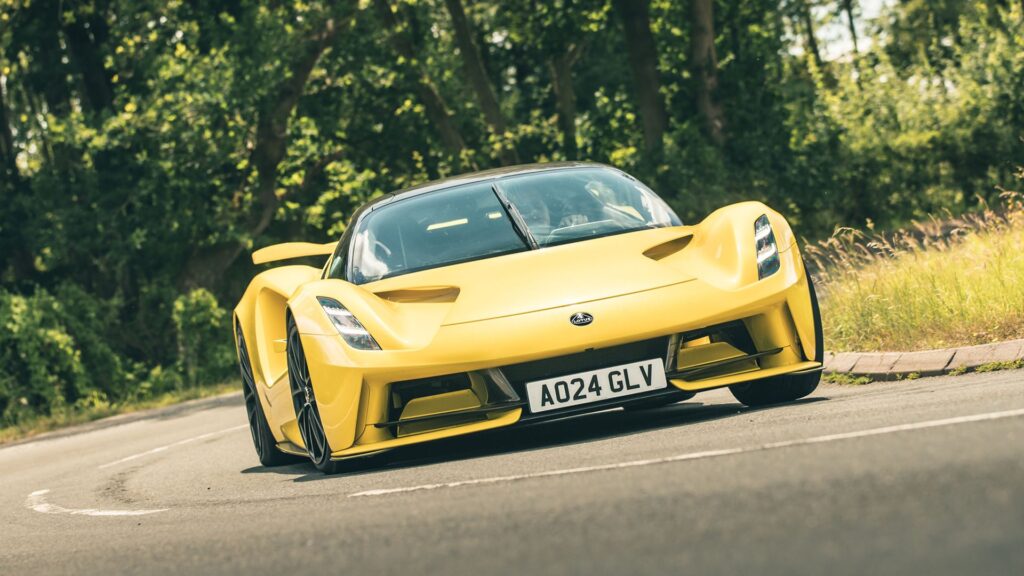
There are exceptions to the rule. The Porsche Taycan is genuinely rewarding to drive, for example, while the Tesla Model 3 is a very capable all-rounder. And while electric supercars such as the Lotus Evija (pictured above) have struggled to sell, a new generation of electric hot hatchbacks and sports cars is on the way.
ALSO READ:
Are all electric cars automatic? Or can EVs have a manual gearbox?

I have yet to find the cost of a replacement battery and the cost of disposal of the old battery., Can you tell me?
[…] fact that electric van uptake is being delayed is bad news for the UK’s ZEV Mandate. Along with electric cars, there are strict ZEV Mandate targets for vans too. In 2025, 16 percent of new van sales are meant […]
[…] than 1,000 new electric car charging points have been installed at UK supermarkets in the past 18 months, new figures […]
[…] Earlier this year, Munro delivered the first completed examples of the M-Series. Denbighshire Council in North Wales and the Gleneagles Hotel resort in Scotland both took delivery of the electric off-roader. […]