

As part of changes to its zero-emission vehicle (ZEV) mandate, the UK Government has announced that hybrid cars can continue to be sold brand new until 2035. Although the statement lacked some clarity, this seems to apply to both plug-in hybrid and ‘regular’ hybrid cars. After 2035, only fully electric cars will meet the ZEV mandate criteria.
So what is the difference between the two? Well, part of the clue is in the name: plug-in hybrids can be plugged in to charge their batteries, whereas ordinary hybrid cars cannot.
This gives plug-in hybrids a longer electric-only range, potentially reducing their running costs. However, they are typically more expensive to buy in the first place.
Let’s consider the evidence. At the time of writing, the Kia Sportage hybrid will set you back £36,215 in GT-Line spec, while the plug-in hybrid version costs £40,685. There are good reasons for this price difference, which we’ll come to in a moment.
Before we begin, a note about the ‘self-charging hybrid’ term you may have seen used by Toyota, Lexus and Kia. It’s little more than a marketing tool to elevate a standard hybrid to a higher plain – there are no technical differences.
What is a hybrid car?
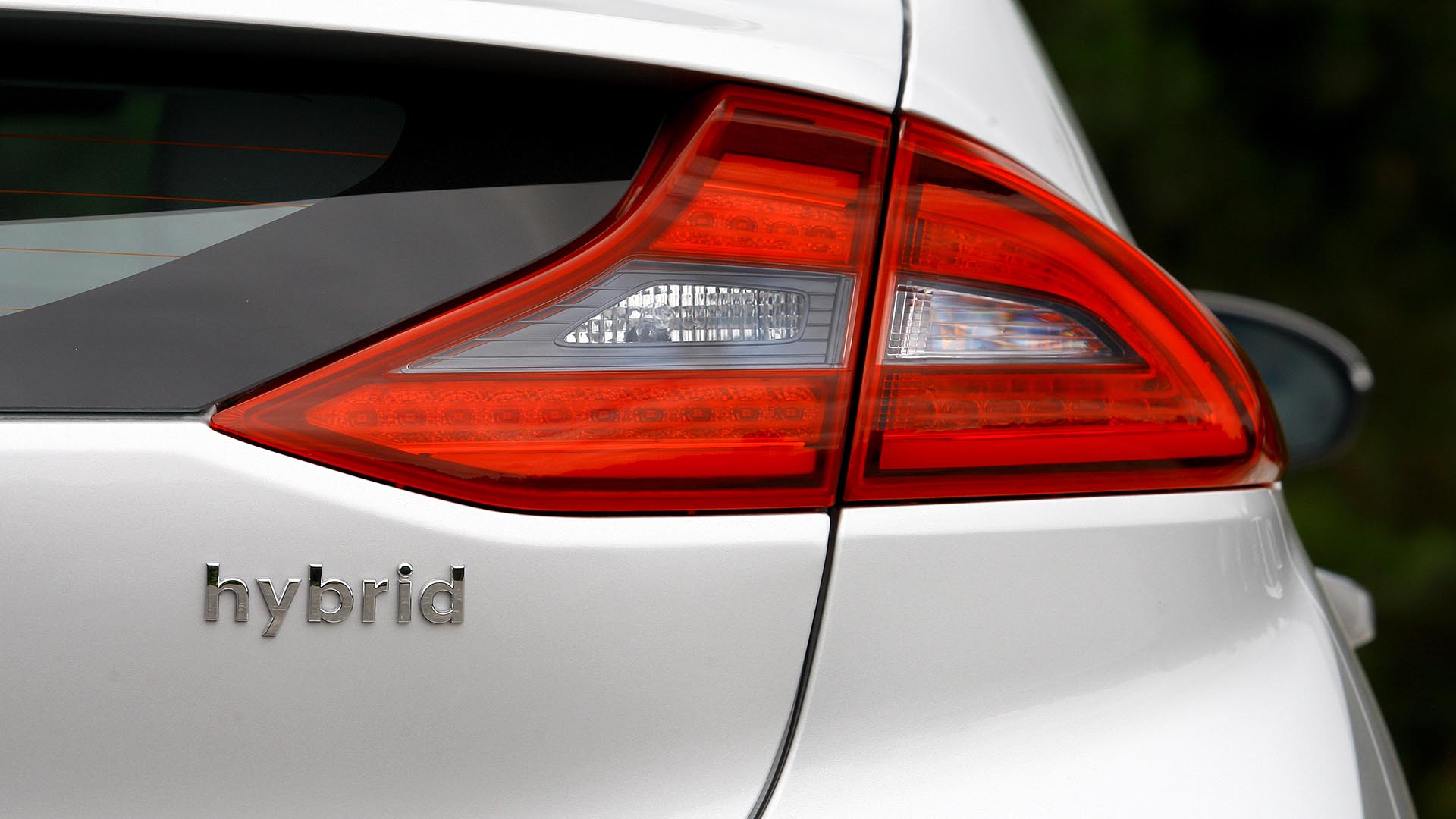
In simple terms, a hybrid car combines a combustion engine with an electric motor. The most famous hybrid car in the world is the Toyota Prius. Ironically, the latest version of the Prius is now only sold as a plug-in hybrid in the UK.
In a hybrid vehicle, the internal combustion engine remains the dominant powertrain, with the electric motor on hand to improve efficiency, decrease fuel consumption and boost acceleration.
Hybrids are great in the city, where their regenerative braking captures kinetic energy, which is then used to recharge the batteries. Conversely, hybrids are less impressive on motorways, where there’s little opportunity to harvest lost energy.
They cannot be plugged in, so you’ll only see a mile or two of pure electric range. On the flip side, the car manages the flow of energy, so there’s a hassle-free attraction to running a hybrid vehicle. Go easy on the accelerator pedal and you could see some truly impressive fuel economy figures, particularly around town.
What is a plug-in hybrid?
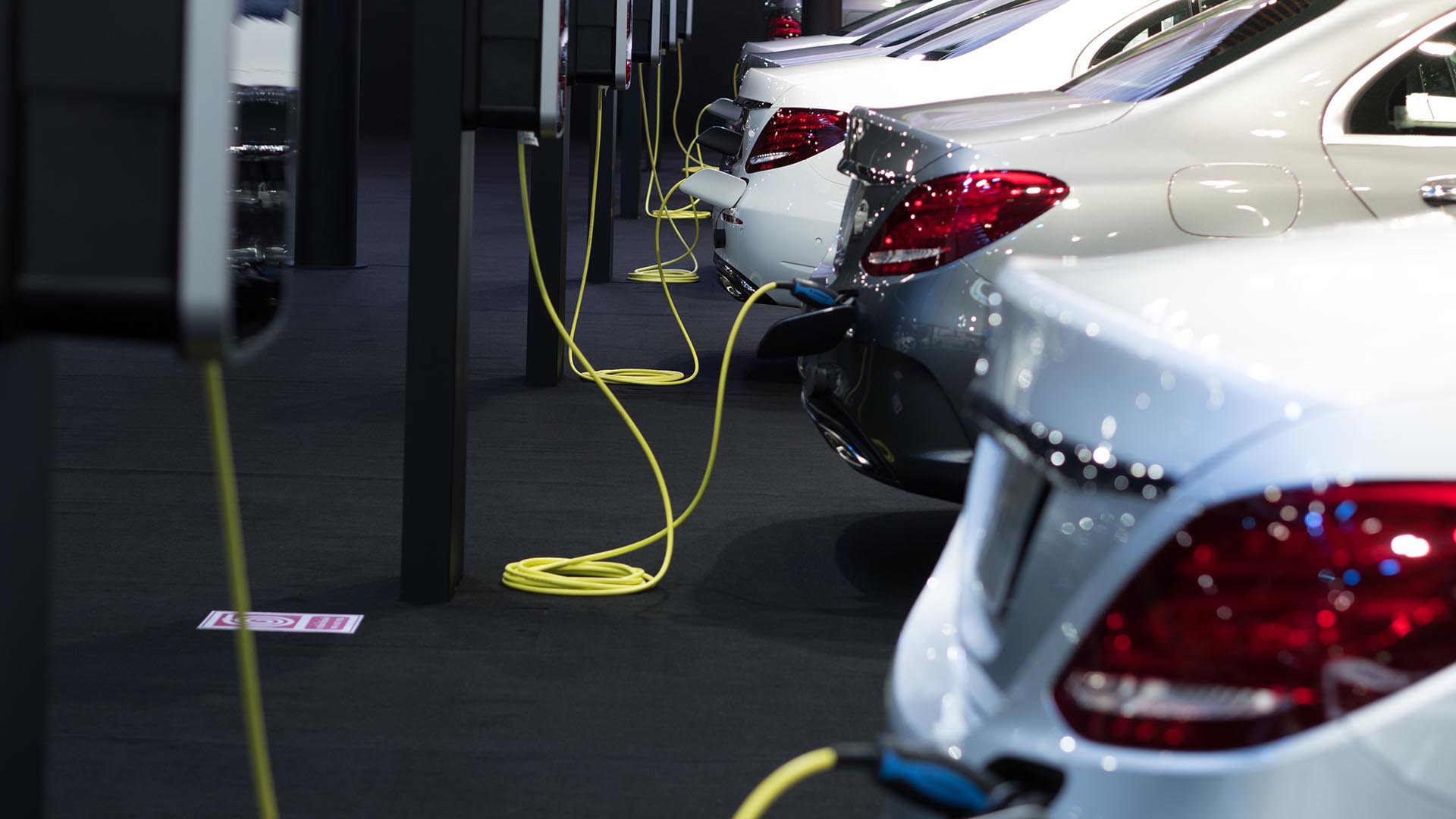
A plug-in hybrid (PHEV) can be recharged in the same way you’d recharge an electric car. The key difference is that the electric motor is paired with a petrol or diesel engine, removing any concerns over ‘range anxiety’.
There’s more, though. A plug-in hybrid boasts a larger battery pack, plus more sophisticated hardware and software than a standard hybrid, which helps explain the higher price.
Crucially, plug-in hybrids deliver a useful amount of pure electric range – certainly more than the 10-mile average daily commute in England and Wales. For example, the Kia Sportage PHEV we mentioned earlier delivers an official (WLTP tested) range of 43 miles.
Hybrid or PHEV: which one is better?
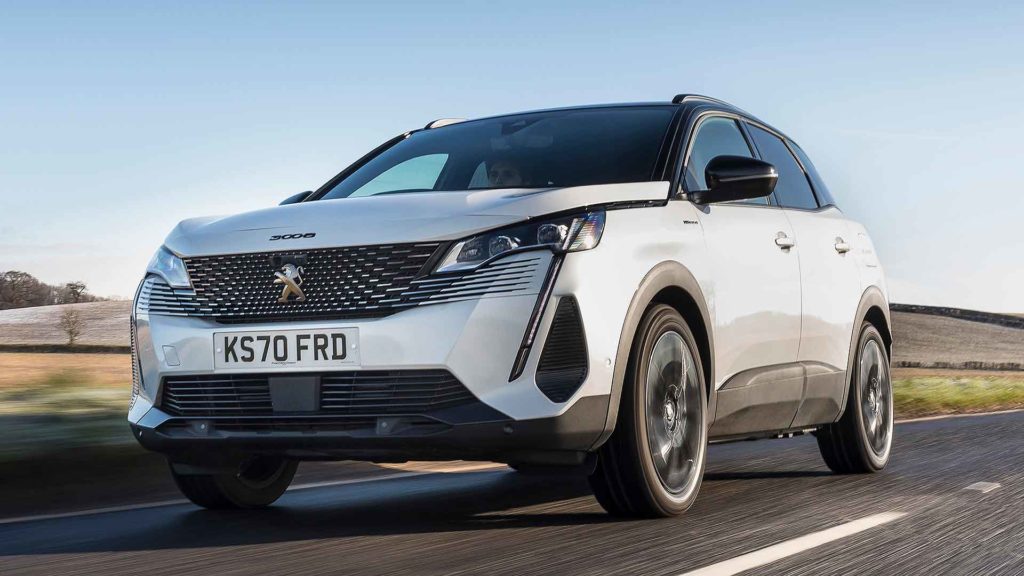
There’s no doubt a hybrid is an appealing prospect. The key attraction is their ability to work straight away – there’s no need to worry about charging cables or plugging in. Modern petrol-electric hybrids are especially impressive, offering the smooth refinement of a petrol car with the economy of a diesel.
We’d also urge caution before buying a plug-in hybrid. If you don’t recharge the batteries, you’re essentially paying extra for a heavier and less efficient vehicle. The weighty battery pack will put a big dent in fuel economy when you’re not in electric mode.
Beyond that, a plug-in hybrid offers more than a regular hybrid. The ability to tackle the daily commute on electric power is an obvious attraction – you could find you rarely need to visit a petrol station.
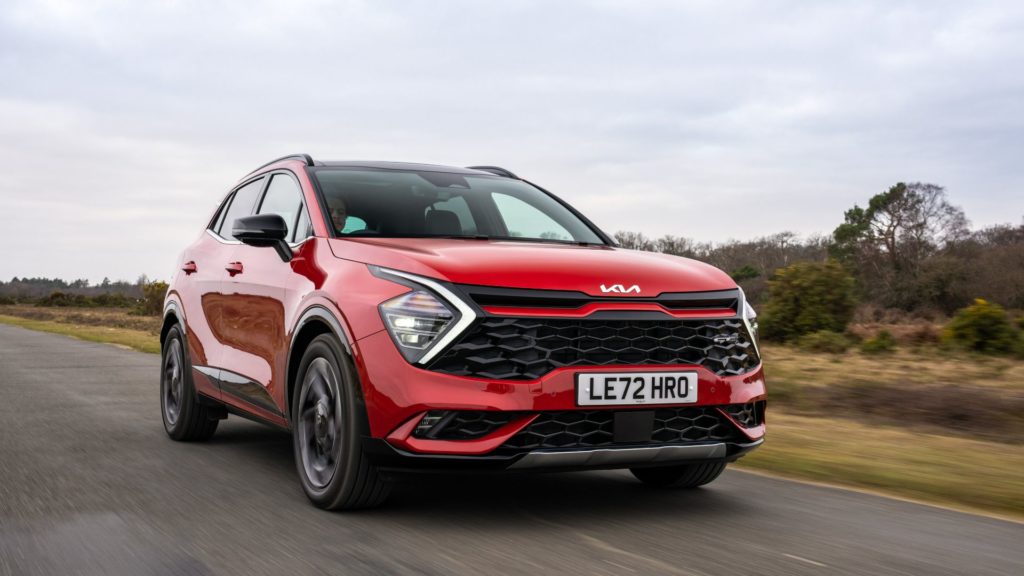
There can also be tax benefits associated with a plug-in hybrid. A Kia Sportage hybrid (pictured above) emits 129g/km of CO2, which results in first-year road tax (VED) of £440.
Thanks to CO2 emissions of 25g/km, the plug-in hybrid Sportage would only cost £110 in the first year. However, because this particular PHEV has a list price of more than £40,000, it is liable for the ‘expensive car tax’ – currently an additional £425 a year for five years following the first registration. Do your sums carefully!
Company car drivers can see further savings from running a plug-in hybrid, which is why these vehicles are so popular in the fleet sector.
Lastly, it’s worth thinking about plug-in hybrids as a bridge towards a fully electric future. There are no ‘range anxiety’ issues, plus you get the opportunity to familiarise yourself with the process of charging the car’s batteries.
The next step would be a pure electric car, so browse the pages of Motoring Electric to discover more.
ALSO READ:
What you need to know about renting an EV

[…] is mounted behind the driver and passenger. Charging via regenerative braking removes the need to plug in the Corvette to an electricity […]
[…] owners of plug-in hybrid (PHEV) cars are wasting millions of pounds each year by failing to take advantage of cheaper […]