

In the vast majority of cases, an electric vehicle will be cheaper to run than a petrol or diesel car. Even before servicing and maintenance is taken into account, new data from Compare The Market shows the average annual cost of owning an EV – including insurance, tax and charging primarily at home – is around £350 less than for an equivalent petrol car.
A separate study by The Car Expert suggests that servicing an electric car is cheaper, too. Analysis of hundreds of different cars showed drivers pay 29 percent less for servicing over five years: a total of £4,022, compared to £5,709 for a petrol, diesel or hybrid car.
The savings come partly because an electric car has fewer moving parts, while a combustion car is powered by a complex engine and transmission that requires regular servicing. Just consider some of the components an electric car doesn’t have: clutch, fuel pump, drive belt, spark plugs and more.
Less to go wrong means less to maintain – and less impact on your wallet. And that’s before you factor in the absence of oil and fuel filters.
Can an electric car save you money?

A service plan on a BMW iX3 costs £14.99 a month, which, after 36 months, gives a total of £539.64. Compare this with the plan on a petrol BMW X3, which costs £25.99 a month – £935.64 after 36 months. In other words, a saving of around £400 after three years of driving.
There’s more good news if we use a 2022 Kia e-Niro 3 electric car as an example. Based on a vehicle with 22,000 miles on the clock, a service plan based on two scheduled services (30,000 miles or 36 months and 40,000 miles or 48 months), the cost would be £409 – or around £45 a month. On a Niro hybrid of similar age and mileage, the price rockets to £729 or £81 a month.
And you don’t have to sign up for a fixed price service plan to save money. Say you own a 2023 Hyundai Ioniq Electric with 10,000 miles on the clock. The next serviced schedule (20,000 miles) will cost £177.78 and the 30,000-mile service will cost £77.57. For an Ioniq hybrid, these prices increase to £307.57 and £190.45 respectively. All of the prices quoted were correct at the time of writing.
What needs servicing on an EV?

Although the service intervals might be longer, it’s important to stick to the manufacturer’s recommended schedule. This is especially important when the car reaches its third birthday, at which point it will require its first MOT.
Some maintenance work will be familiar to owners of petrol and diesel cars. For example, an electric car service will include checks and/or maintenance of the tyres, steering and suspension components, plus equipment such as the climate control system, windscreen wipers and washer fluid. The brake fluid and coolant will also need checking and, if necessary, to be topped up or replaced.
You could discover that you’ll need to change the tyres more regularly on an electric car. The extra weight of the vehicle will increase the rate of wear. Accurate wheel alignment is essential to prevent premature tyre wear, too.
Don’t forget the upfront cost
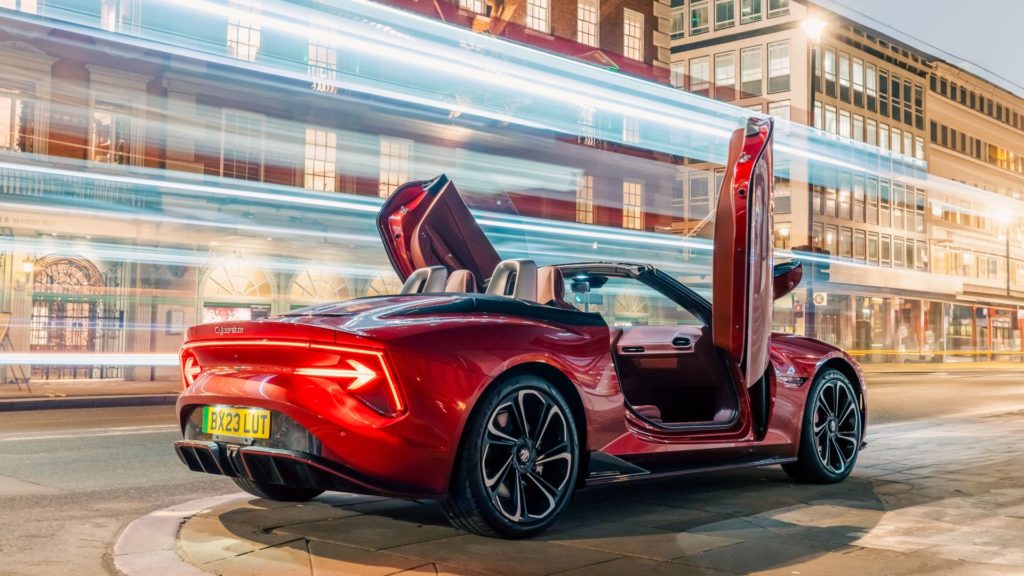
In the main, it’s all positive news for electric cars. However, it’s worth bearing in mind that, in many cases, EVs are still more expensive to buy, which might offset the maintenance savings.
It’s also worth mentioning that electric cars aren’t immune from problems. Autotech Training, a company specialising in all forms of automotive industry skills, has outlined some of the potential issues with EVs. These include battery failure, charging errors, transmission problems, and software or electronic malfunction.
The key is to approach buying a used electric vehicle in the same way you would a standard petrol or diesel car. Do your homework, check the details of the manufacturer or aftermarket warranty, and make sure you get the car serviced at the recommended intervals. A fixed price service plan might be a sensible investment as well, to help manage your car maintenance costs.
ALSO READ:
How long does it take to charge an electric car?
Are all electric cars automatic – or can EVs have a manual gearbox?
How does regenerative braking boost your electric car’s range?