

The UK’s forthcoming ban on the sale of new petrol and diesel cars comes into force next decade. It means that, for many of us, the future will be electric.
When it comes to driving, you may not notice much difference. Many EVs look and feel similar to combustion cars from behind the wheel, albeit with an automatic transmission, improved refinement and instant pulling power. They are generally more relaxing to drive, but can also offer surprising performance.
Charging an electric car can be more challenging, however. Rather than simply stopping at a petrol station and filling your car’s tank within a few minutes, topping up an electric car can be a time-consuming process.
That said, charging an EV doesn’t necessarily need to be difficult and, for many of us, it’s easy enough to fit into our lives.
How do you charge an electric car?

Think of ‘refuelling’ an electric car as being like charging your phone. You can do it using a simple three-pin domestic plug socket, leaving it overnight to take advantage of cheaper, off-peak electricity. When you wake up the next day, your car could be fully charged.
Although it depends on your electricity supply, the specific car and, of course, how flat the batteries are, it typically takes around eight hours to charge using a home socket. All EVs come supplied with an ICCB (In Cable Control Box) cable – often nicknamed a ‘granny cable’ – with a three-pin plug.
For much faster and more convenient charging, a professional can install a home ‘wallbox’ charging point. This typically costs between £800 and £1,000, but there’s currently a £350 government grant available for EV drivers who own a flat or rent a house with an off-street parking space. Buy a new electric car and you may even get the charger and installation for free.
A wallbox can reduce charging times by up to 50 percent – meaning you can typically have a fully charged EV in about four hours.
How long will it take to charge?
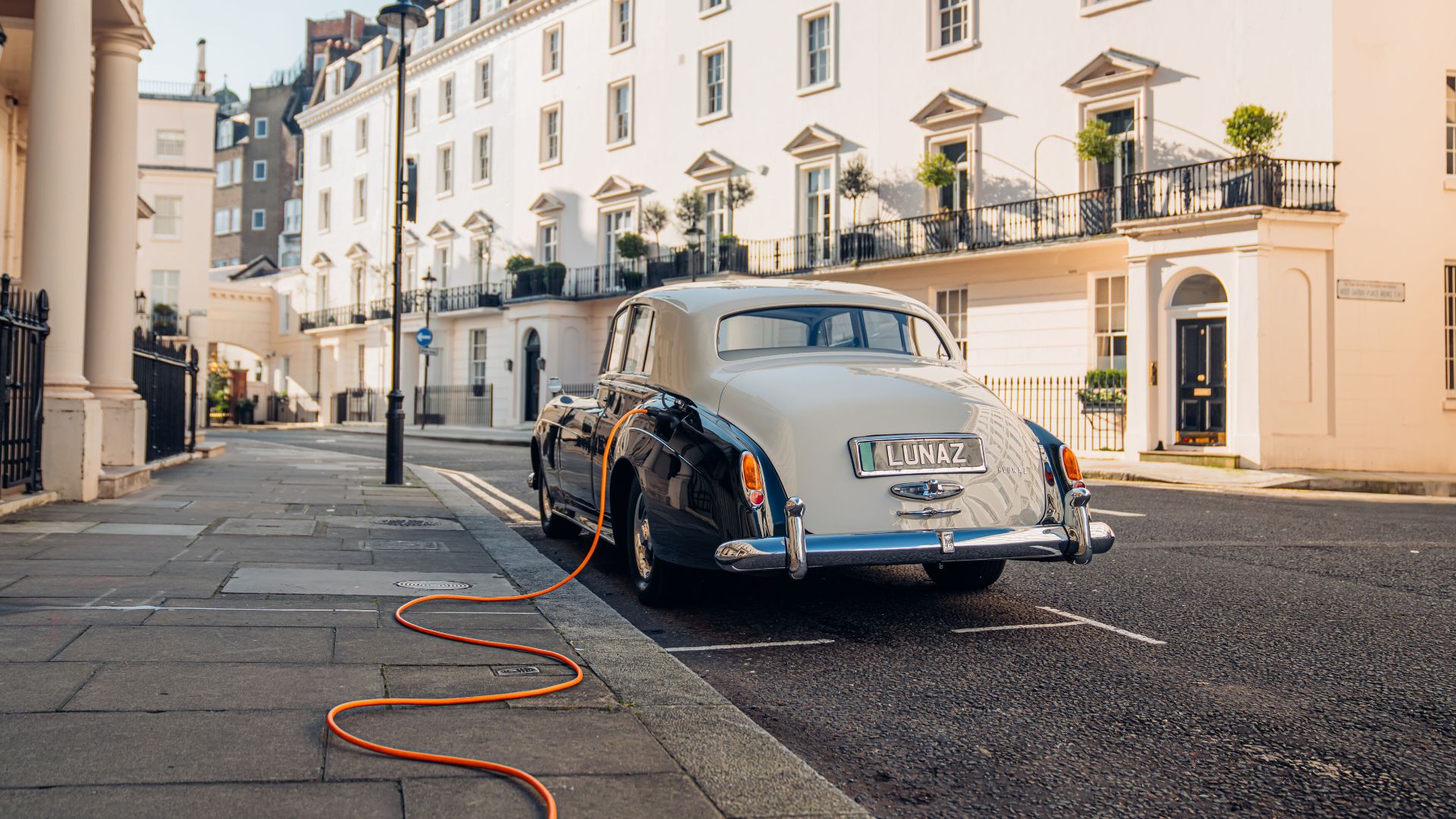
OK, so most people don’t have four hours to waste waiting for their car to charge. But with the range of many electric cars (i.e. how far they will travel on full batteries) now exceeding 300 miles, ask yourself how often you exceed that distance in one day?
If your daily mileage is usually less than the car’s maximum range, just top up your electric car at home overnight.
For those occasions when you do travel further afield, there are alternatives to charging at home. At the time of writing, there is a network of more than 88,000 chargers at around 45,000 different locations around the UK, with the number of fast and rapid chargers growing quickly.
Fast chargers are often found in shopping centres and supermarket car parks. Most are rated at 7kW, but 22kW chargers are also available. A 7kW charger should deliver a full top-up in four to six hours. A 22kW unit will need just one to two hours.
Rapid chargers, offering upwards of 43kWh, are usually found at motorway service stations. They can fill an electric car up to 80 percent capacity in 30 minutes or even less – ideal if you’re on a long journey and want to break it up with a coffee and a refill. They are pricey, though, with Ionity’s ultra-rapid 350kW chargers typically costing 79p per kWh.
You’ll often see this 80 percent figure quoted by car manufacturers and charging networks, rather than the time to fully charge to 100 percent. The reason is that rapid chargers have an automatic cut-off at this point to protect the life of the batteries.
Tell me about charging networks
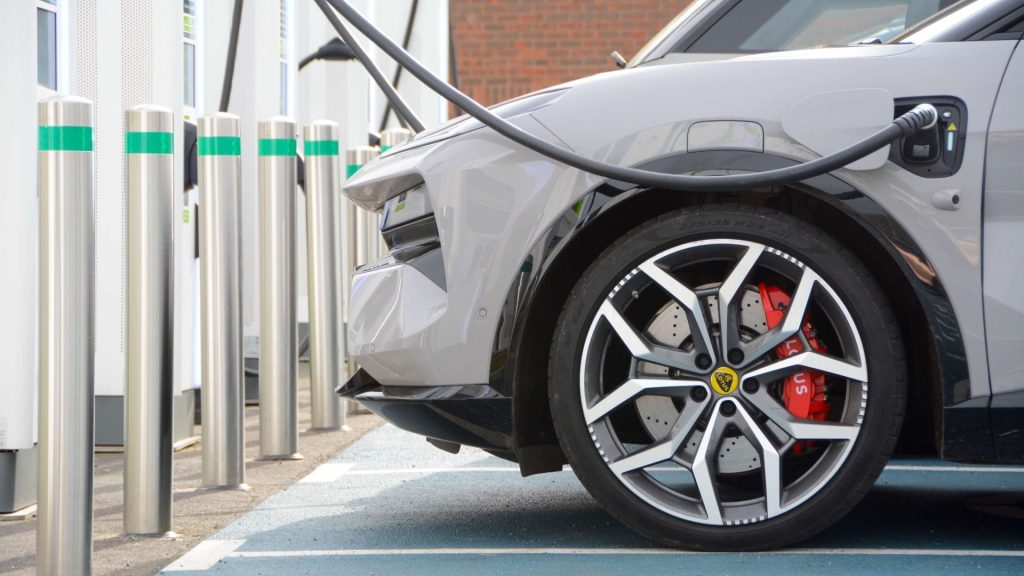
If you drive a Tesla, you can make use of the company’s impressive Supercharger network. A smaller number of Supercharger stations are now open to non-Tesla electric cars, too.
Owners of other electric cars will need to use one of the other public charging networks, which may involve downloading an app onto your phone, then paying at the point of sale with a credit or debit card.
Shell Recharge Ubitricity is currently the largest network, with more than 12,000 charging points at the time of writing. Some networks require you to sign up for membership in advance, but most are fully pay-as-you-go.
ALSO READ:
Where can I charge my electric car for free?

[…] Zap-Map now covering more than 95 percent of the UK’s public charging network, the company can provide valuable insight into how frequently it is being […]