

The short answer to our title question is ‘yes’ – you can jump-start an electric car. However, the chances of you ever needing to do so are slim.
Many people don’t realise that the vast majority of electric cars have two batteries: a large lithium-ion battery for powering the electric motor (or motors), plus a traditional 12-volt battery that is used for sending power to accessories. These lead-acid batteries are also found in traditional petrol and diesel cars.
They work in much the same way, too: kick-starting the electric motor into action and powering systems like the air conditioning, central locking, infotainment system, lights, windscreen wipers and instrument panel. Crucially, they also deliver the power that facilitates the charging of the lithium-ion battery. In other words, they’re an essential part of an electric vehicle.
How to prevent a flat battery
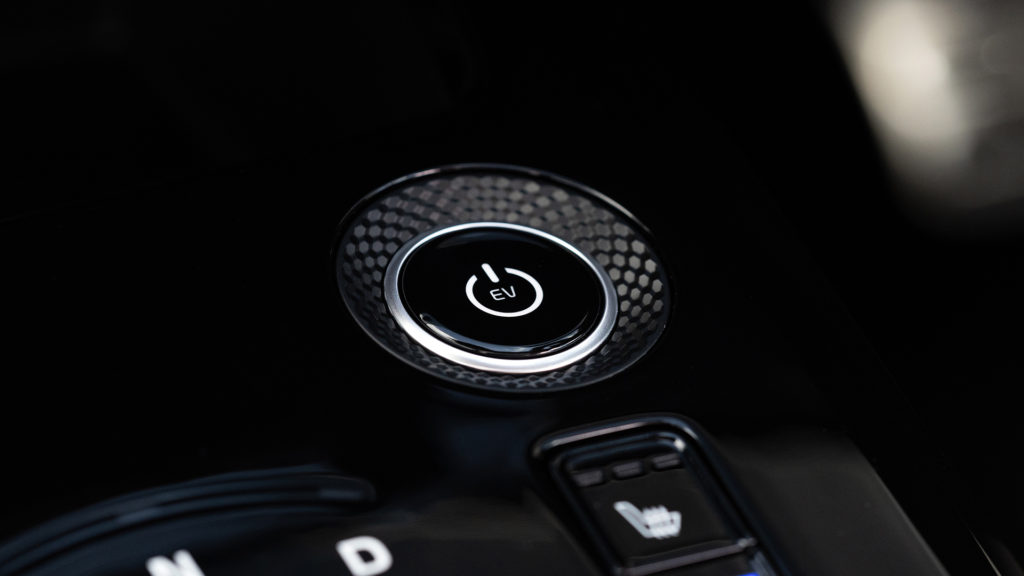
Regular use and long trips will keep the 12-volt battery in good condition. It’s likely to lose charge after two to three weeks of inactivity, although Vauxhall says its EVs will retain sufficient energy even after six weeks at a standstill.
It’s important to remember that short journeys with lots of the accessories in use (e.g. music on and the heater blasting) will put a strain on any car’s 12-volt battery, though.
Last year, the Association of Fleet Professionals (AFL) warned fleet managers that the 12-volt battery on electric vans may unexpectedly go flat, leaving them unable to start their vehicle. Start Rescue also advised electric car owners to ‘look after the 12-volt battery to avoid one of the most common causes of call-outs’.
How to jump-start an electric car
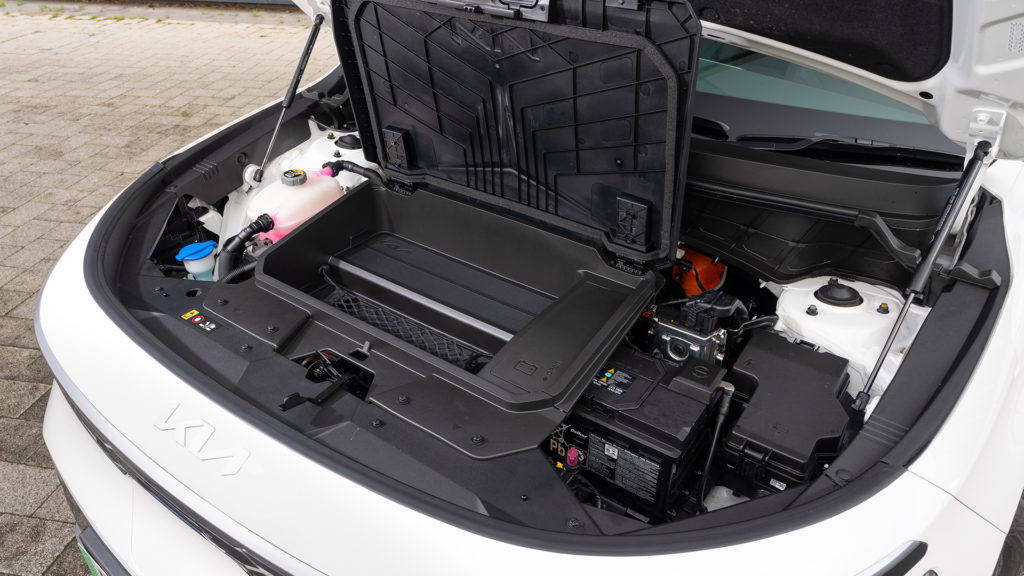
If you have ever jump-started a petrol or diesel car, you’ll be familiar with the search for a pair of jump leads. You’ll also need to locate the electric car’s 12-volt battery, which is likely to be under the bonnet or in the boot. Check the car’s handbook if you are struggling to locate it.
Do not jump-start your car using another electric vehicle. You MUST use a petrol or diesel car. You should also ensure that your electric car isn’t plugged in during the jump-start process.
Connect a jump lead to the positive (+) terminal on the electric car’s 12-volt battery, then connect the other end to the positive (+) terminal on the third-party vehicle. Connect the second jump lead to the negative (-) terminal on the third-party vehicle, then the other end to the grounded bodywork of the electric car. When that is done, start the engine of the third-party vehicle, then put the electric car into its ‘ready’ position. Once the electric car has started, disconnect the cables in the reverse order.
Keep the electric car switched on for around 15 minutes or complete a journey of a similar length. Note: you can also use a battery booster pack by following the instructions on the box or booklet.
Indeed, if you intend to leave your electric car idle for prolonged periods, you could consider a trickle charger, which will prevent the 12-volt battery from going flat. As you’ll see from this list, most car manufacturers recommend the use of a trickle charger.
ALSO READ:
Should you avoid buying a used electric car?