

Check out the online configurator for a new electric car and you might notice the availability of a heat pump, either as a standard feature or an extra-cost option. But what is a heat pump? And if it costs more, is it worth buying one?
Heat pumps in electric cars are nothing new. In 2013, the Nissan Leaf became the first mass-produced EV to use a heat pump to warm its cabin. The Kia Soul EV then followed suit in 2014. The technology has been developed over the subsequent years, but the principles remain the same.
What is an EV heat pump?
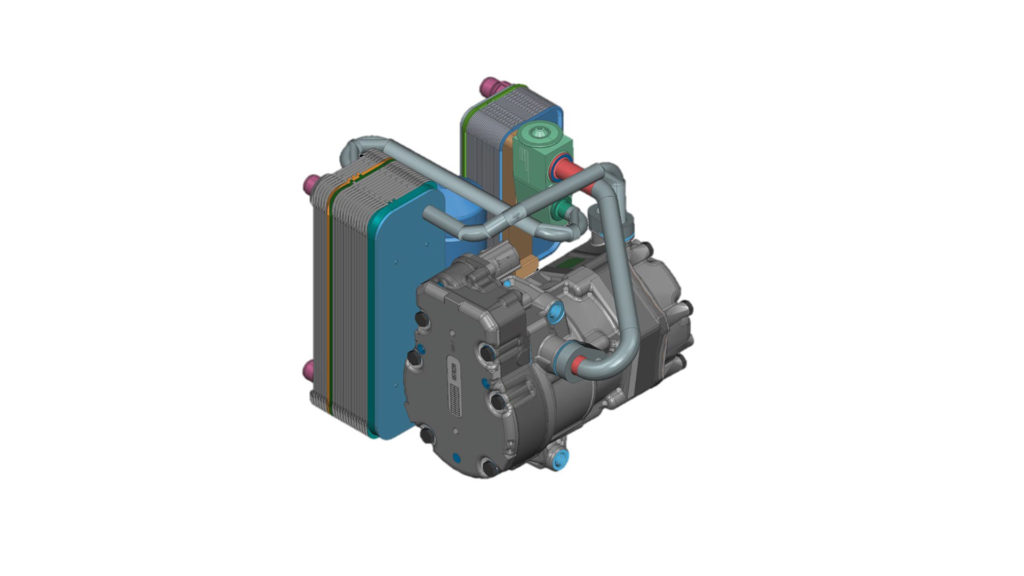
In simple terms, a heat pump uses waste heat from an electric car’s powertrain to efficiently warm its cabin. In other words, the pump harvests energy from the car’s drive motors, on-board chargers, inverters and battery pack, which might otherwise go to waste.
As well as keeping the interior of your car toasty, a heat pump can also warm its battery in winter and cool it during the summertime. Optimising the battery’s temperature like this helps it to operate more efficiently.
How does a heat pump work?
In a petrol or diesel car, the engine generates enough excess heat to warm the cabin; it’s how car heaters have traditionally worked. Because an electric motor is so efficient, there isn’t enough waste heat to warm the cabin, so an EV without a heat pump must rely on direct resistive heating to heat both its traction battery and occupants.
This creates extra load on the battery pack in the winter months, reducing the range of an electric car by up to half. Similarly, the range is also shortened in the summer when additional energy is required for cooling the battery pack and interior.
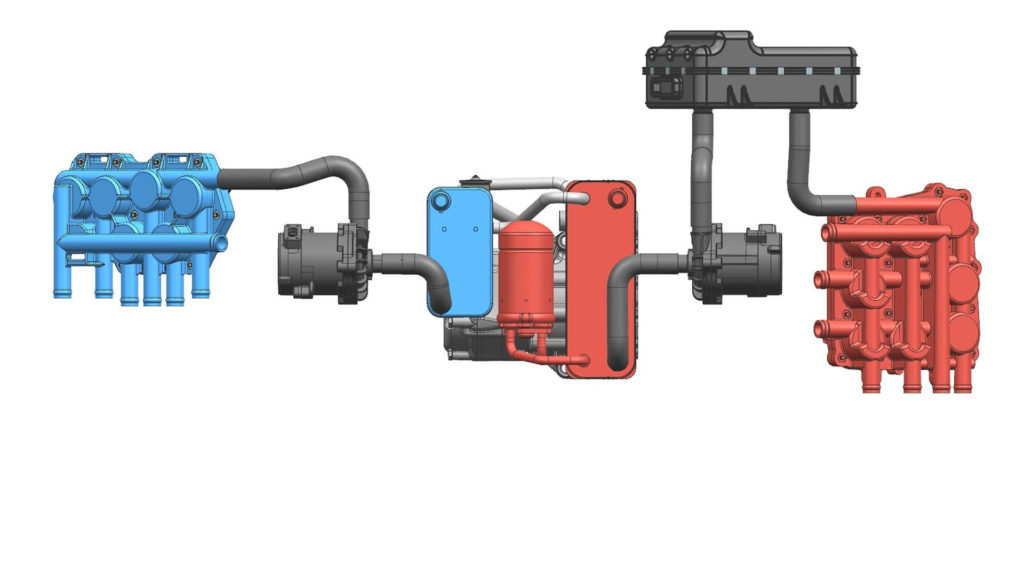
In cold weather tests, Mahle, which has built a heat pump known as an Integrated Thermal System (ITS), found an EV with conventional electric heating had a cruising range of 100 kilometres (62 miles), but this increased to 116 kilometres (70 miles) with a heat pump fitted. The German company says fitting a heat pump will improve an EV’s range by between seven and 20 percent.

Heat pumps are like household refrigerators, but in reverse. Rather than taking heat from inside and releasing it into the room, a heat pump uses heat generated by the components listed above to vaporise refrigerant from liquid to gas form. High-pressure gas is discharged from the compressor and forced into a condenser to be converted back into a liquid. This additional heat energy is harvested by the heat pump and used to warm the car’s interior.
A heat pump doesn’t replace the car’s HVAC (heating, ventilation and air conditioning) system – climate control is the most effective way of warming and cooling a cabin – but it reduces the load on the battery and cuts energy consumption from the HVAC system.
The benefits of a heat pump
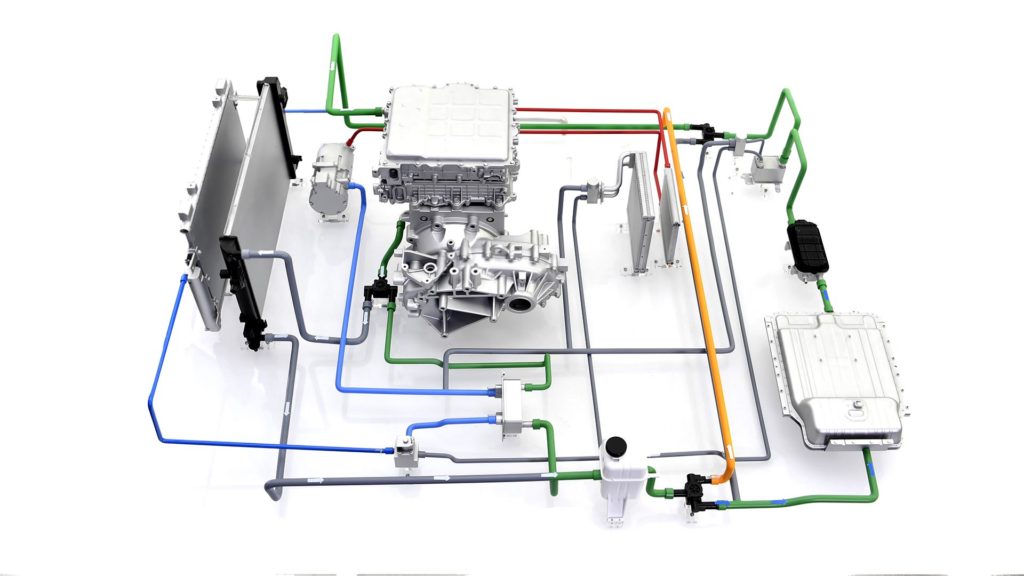
Bosch, another producer of heat pumps, says the technology can increase an EV’s range by up to 25 percent. Its system uses the vehicle’s coolant fluid to distribute warm and cool air. Bosch says a heat pump with a rating of 1,000 watts will generate the heat equivalent of 2,000-3,000 watts.
By increasing the efficiency of the heating, ventilation and air conditioning (HVAC) system and putting less strain on the battery, the most obvious benefit of a heat pump is increased range. The knock-on effects are less time spent charging the battery and reduced running costs.
Do all electric cars have a heat pump?
Unfortunately not. Although some electric cars have a heat pump fitted as standard, the technology is still relatively expensive, so you might have to peruse the options list to find one. In some cases, a heat pump isn’t available even as an option.
In 2020, the Model Y was the first Tesla to be fitted with a heat pump, with the smaller Model 3 gaining the tech from the 2021 model year. All Porsche electric cars have a heat pump as standard, but the system isn’t the preserve of high-end EVs; the affordable Peugeot e-208 has one, too.
On cars where a heat pump isn’t included, you will typically need to find around £1,000 extra to add one.

Should you buy a heat pump for your EV?
There’s no doubt that heat pumps are most beneficial in cold weather, but the improved efficiency will be helpful regardless of the conditions. A 20 percent increase in range will be a boon during the winter months, especially if it means spending less time outside using expensive public chargers.
If a heat pump is an optional extra, you need to decide if it’s worth the extra outlay. It’s likely to be a worthwhile investment if you drive a lot of miles. There’s also the potential for stronger resale values as the technology matures, becoming more mainstream and widely known.
ALSO READ:
How much does charging an electric car cost?